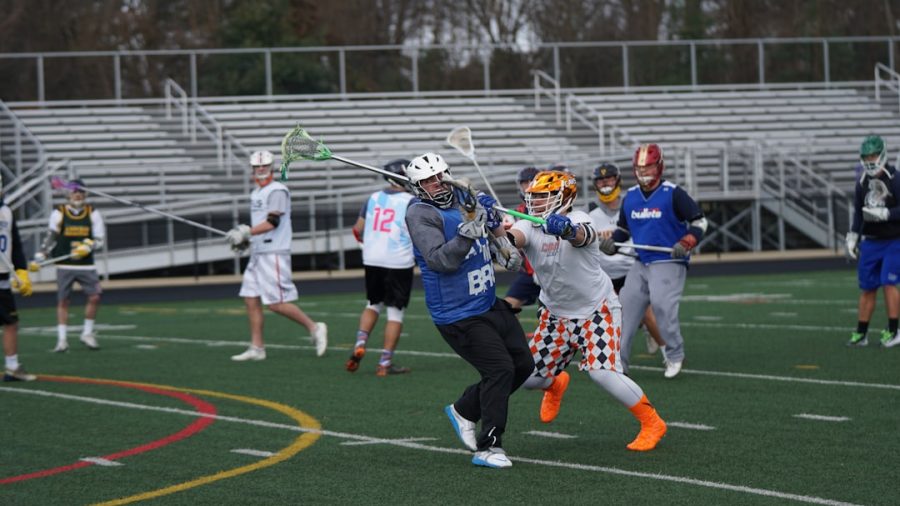
This PLL Atlas Cup midseason report 2026 arrives at the moment when the gap between pretenders and contenders stops being theoretical. The schedule has done its work. The teams that looked dangerous in weeks one and two have either validated the hype or exposed the cracks. Here’s an honest accounting of where the Atlas Cup chase actually stands.
Atlas Cup Contenders: Who’s Actually Built for This
Whipsnakes LC — The Snakes are exactly what they’ve always been: a system-first team that makes everyone around them better and plays their best lacrosse when the margin for error shrinks. The difference this season is that their midfield transition has been genuinely elite. They’re converting fast-break opportunities at a rate that punishes any team that settles after a clearing attempt. You can’t scheme around their transition because it comes from their defense getting the ball moving before the other team can set. That’s not a personnel advantage — that’s a cultural one, and it doesn’t disappear when a starter sits with an injury.
Atlas LC — The most complete roster in the league right now. Atlas has the luxury of being dangerous from everywhere on the field, which means opposing defenses have to choose what they’re willing to give up and then live with it. Their goaltending has been the least-discussed story of the first half — save percentages in late-game situations are well above league average. Moreover, late-game stops in the PLL are how you steal the points that tilt the standings. Atlas wins a lot of close games. That’s not luck; it’s the goalie giving them a chance when the margin is a goal.
Chrome LC — Chrome has been the most improved team in the league from last season to this one, and the lacrosse media hasn’t caught up yet. Their face-off percentage in the first half of the season has been the most underappreciated factor in their record. Win the face-off, control possession, run your offense — it’s not complicated, but it requires having someone who can actually win draws against PLL competition, and Chrome has that guy right now.
The Pretenders (Respectfully)
Cannons LC — The Cannons have a roster that looks good on paper and has underperformed on every meaningful metric that predicts playoff success. Their attack is talented but plays individually instead of collectively. Individual talent wins regular season games because it creates highlight plays. Collective talent wins playoff games because the defense has time to scout individuals and neutralize them. The Cannons don’t have a cage-adjacent possession game — they score off athleticism, and when athleticism meets a prepared defense, the math changes.
Redwoods LC — The structural problem with the Redwoods is goaltending depth. Their starter has been adequate but not championship-adequate, and “adequate” in the regular season becomes “insufficient” when you’re facing an Atlas or Whipsnakes offense that can attack from any angle. The second they get a hot goalie weekend, their record jumps — which also tells you the team in front of him is good enough to win with elite goaltending. They don’t have it right now.
Structural Problems Are Real
Chaos LC — The name is apt, unfortunately. Chaos has had roster continuity issues that go beyond what any coaching adjustment can fix mid-season. The chemistry that defines good PLL teams takes time to build, and Chaos has had too much turnover in positions that require communication — defense and face-off. When your defensive communication breaks down in the PLL, you don’t get away with it. The league is too talented.
Waterdogs LC — The Waterdogs aren’t bad; they’re incomplete. There’s a difference. Their offense has playmakers who can score in the PLL. Their defense, however, is a work in progress. In a league where every team can light you up offensively, “our defense is a work in progress” is not a sustainable model. They’ll win games when their offense is clicking. They won’t win a championship until the defense is solved.
The Face-Off Effect
The most underrated factor separating the top of the standings from the middle is face-off percentage. In the NCAA it’s discussed constantly. In PLL analysis, by contrast, it gets mentioned once and then dropped. But the math is simple: winning the face-off means your offense gets more possessions. More possessions means more goals. A team winning 55 percent of face-offs is getting a structural possession advantage every single game — one that compounds over a season into a materially better record than they’d have at 48 percent.
The Atlas Cup chase right now belongs to the teams who’ve cracked the face-off problem and built defenses that protect late leads. That’s Whipsnakes and Atlas at the top, with Chrome making the argument that they belong in that conversation. Everyone else is playing catch-up to a formula they haven’t figured out yet.