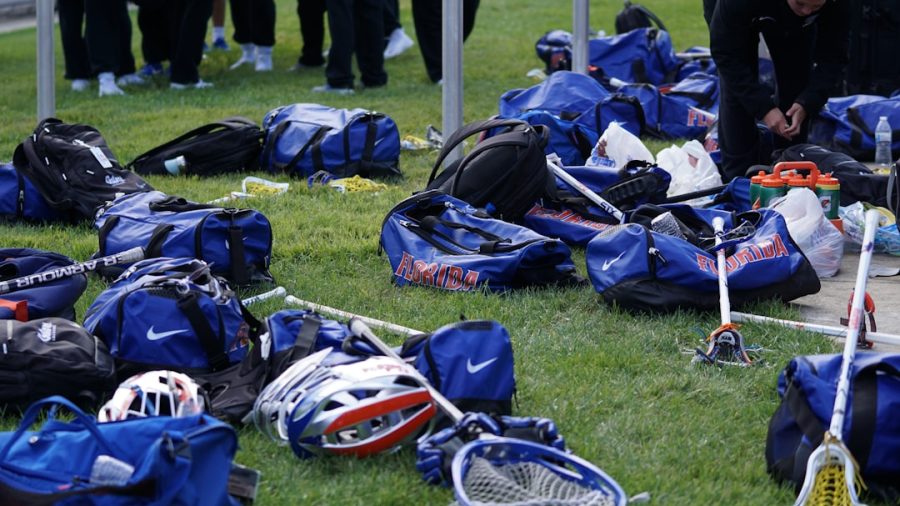
If you’re working through the lacrosse equipment checklist new players 2026 need, here’s the short version: you need about $400 to get a new player equipped properly. You can get away with less, but you’ll be fighting your gear instead of learning the game. Spend the money in the right places, skip it where it doesn’t matter, and don’t buy a used helmet under any circumstances. That’s the whole article. Everything below is just the detail work.
This guide covers men’s field lacrosse. Women’s lacrosse has different equipment requirements, and goalies need a separate conversation entirely.
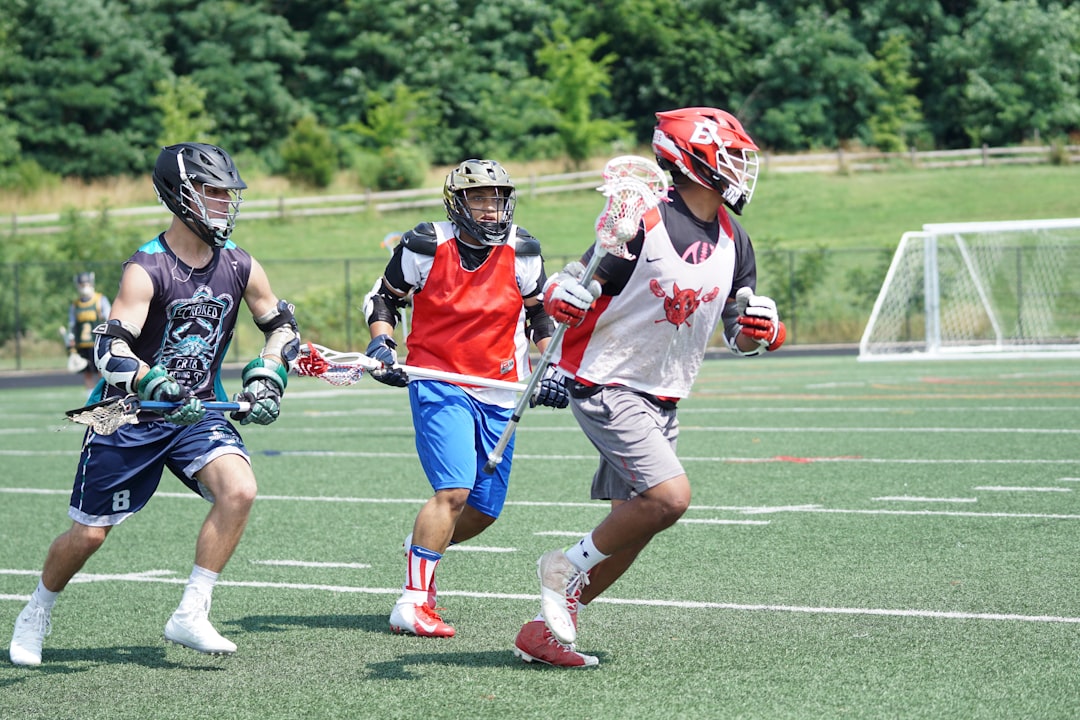
The Non-Negotiables for New Players
Helmet — Buy New, Buy Right
Every dollar you save on a helmet is a dollar you’re gambling with your head. NOCSAE certification is required at every organized level of play — that’s the floor, not the ceiling. Budget entry point: the Maverik Rome RX3 (~$90). Step up if you can: the STX Stallion 600 (~$130). If this kid is serious and you want to buy once, the Cascade CS (~$270) is what most competitive high school players are wearing.
Buy the best helmet your budget allows. This is the one place in the equipment list where “good enough” is a genuinely bad answer.
And say it with us: never buy a used helmet. You have zero visibility into its impact history. A helmet that took a serious hit may look fine and fail catastrophically the next time. You cannot verify its certification status once it’s left the original owner. Spend the $90 on a new one. There is no version of this argument where buying a used helmet makes sense.
Gloves
NOCSAE certified, covers wrists and knuckles. The STX Stallion 900 (~$80–$90) is our top pick for new players at any level. Excellent out-of-box feel, minimal break-in, and you won’t be fighting stiff leather for your first three months. This is where the money goes after the helmet.
Shoulder Pads
Required at most organized levels. If you’re picturing football pads, reset that image. Lacrosse shoulder pads are lightweight and flexible, and they should not restrict your arm swing at all — if they do, they don’t fit right. The Warrior Burn or STX Cell (~$50–$70) both do the job. One firm rule: don’t buy football shoulder pads and try to make them work. The fit and coverage profiles are different. Lacrosse-specific only.
Arm Guards
Required at most organized levels. Cover the elbow and forearm. The Maverik Rome NXT Arm Guards (~$25–$35) are functional, legal, and affordable. This is not a place to overthink it.
Mouthguard
Required. Don’t buy the $5 pharmacy boil-and-bite. Instead, buy a SISU or ShockDoctor model (~$20–$30). The comfort difference is enormous and the price difference is nothing. Here’s the practical reality: a comfortable mouthguard gets worn. An uncomfortable one ends up in a bag pocket after the first week. Refs don’t always catch it, but that’s not the point — the point is protecting your teeth and jaw.
Cup / Athletic Supporter
Non-negotiable. Full stop. Get a compression short with a built-in cup pocket and a hard cup insert. Shock Doctor makes solid options at every price point. This is not an area for debate or budget optimization.
The Stick
A stick is a head plus a shaft. For a new player, a complete stick — head, shaft, and stringing pre-assembled — is the right call. You don’t need to research pocket depth and mesh type before you’ve thrown a single pass.
Top picks: Maverik Tactik 2.0 Complete (~$55–$65) or the StringKing Complete 2 Junior (~$65–$75). Both come strung well enough to learn on. Stay away from the ultra-budget complete sticks under $40 — the factory stringing on cheap options is genuinely bad and will make developing passing and catching mechanics harder than it needs to be.
Cleats
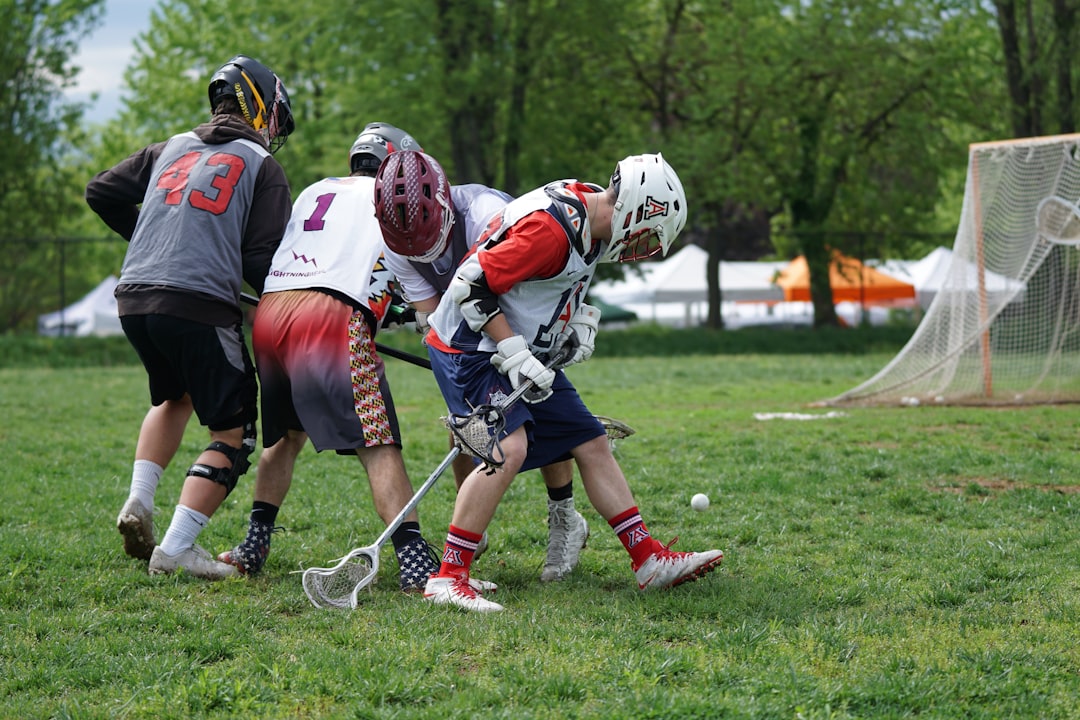
Lacrosse-specific or football cleats. Either works. Avoid soccer cleats — the stud pattern is wrong for lateral movement — and don’t even think about basketball shoes on a field. Budget options: Maverik Tank or New Balance Chaos v2 (~$50–$70). When it’s time to upgrade: the Nike Huarache 9 (~$120–$140) is what you’ll see on most serious high school sidelines.
What It Actually Costs
Here’s the honest budget breakdown:
- Minimum legal setup (~$275–$350): Gets you onto the field without getting sent home by a ref. Equipment will be basic but functional.
- Recommended starter setup (~$400–$500): Gear that doesn’t actively work against your development. This is the target for most new players.
- Premium setup (~$700–$1,000+): For players who’ve committed to the sport and are competing at a level where equipment quality has a real performance return.
The minimum gets you legal. The recommended setup gets you equipment that helps instead of hinders. The premium setup is a decision to make after the player has proven they’re in this for real — not on day one.
What to Buy Used (and What Not To)
Used gear is fine for most of this list. Sticks, shoulder pads, arm guards, cleats, bags — all fair game. Lacrosse equipment holds up, and you can find solid used gear for a fraction of retail on Facebook Marketplace and SidelineSwap.
Helmets are the one exception, and it’s a hard line. Never buy a used helmet. The reasoning is simple: impact history is invisible. A helmet that absorbed a serious hit may look perfect and be structurally compromised. You cannot verify whether it’s still certifiable. The $90 for a new entry-level helmet is not optional — it’s the cheapest insurance you’ll ever buy for a player’s long-term brain health. Buy it new. Every time.
No gear was provided for this review. Ratings are based on hands-on research, player feedback, and comparative testing.