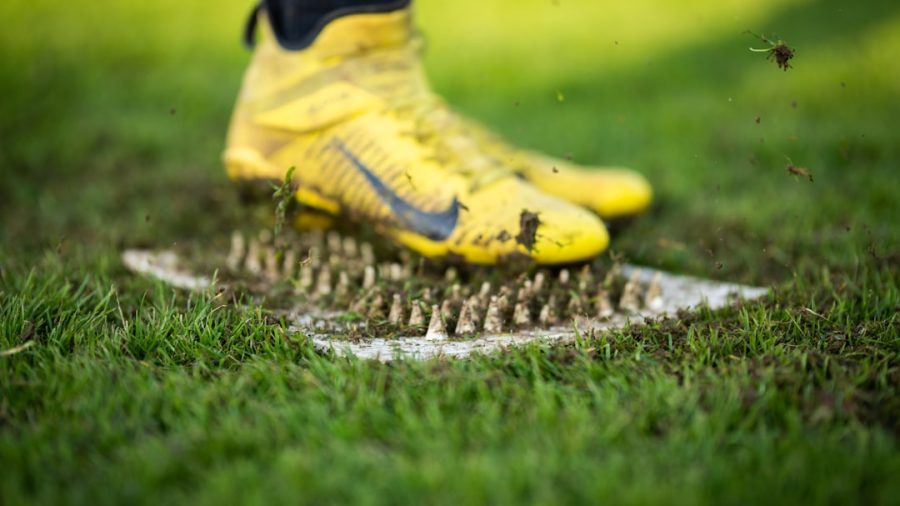
This Nike Huarache 9 lacrosse cleats review starts with the verdict: it’s the best lacrosse cleat on the market. If you’re in a hurry, stop reading and go buy them. For everyone who wants to know why — and whether the ~$120–$140 price tag is justified or just the Nike tax dressed up in lacrosse gear — keep going.
Fit and Lockdown
Nike has iterated the Huarache fit system across nine generations, and nine generations of refinement produces a different result than year-one engineering. The foot cradle wraps the midfoot without compressing the toe box — that balance is harder to achieve than it sounds. The asymmetrical lacing holds ankle lockdown through lateral cuts while keeping enough forward flex that you’re not fighting the shoe when you sprint. It’s the exact performance profile lacrosse demands, and most competitors haven’t figured out how to replicate it.
One honest caveat: the 9 runs narrower than previous Huarache generations. If you’ve been in 8s or earlier and loved the fit, don’t assume you can skip the try-on. Players with wider feet need to size up or seek out the E width options — which Nike does offer in select colorways, not universally across the lineup. Don’t get caught making a $130 mistake because you ordered blind.
Nike Huarache 9 Lacrosse Cleats Review: Cleat Pattern and Surface Performance
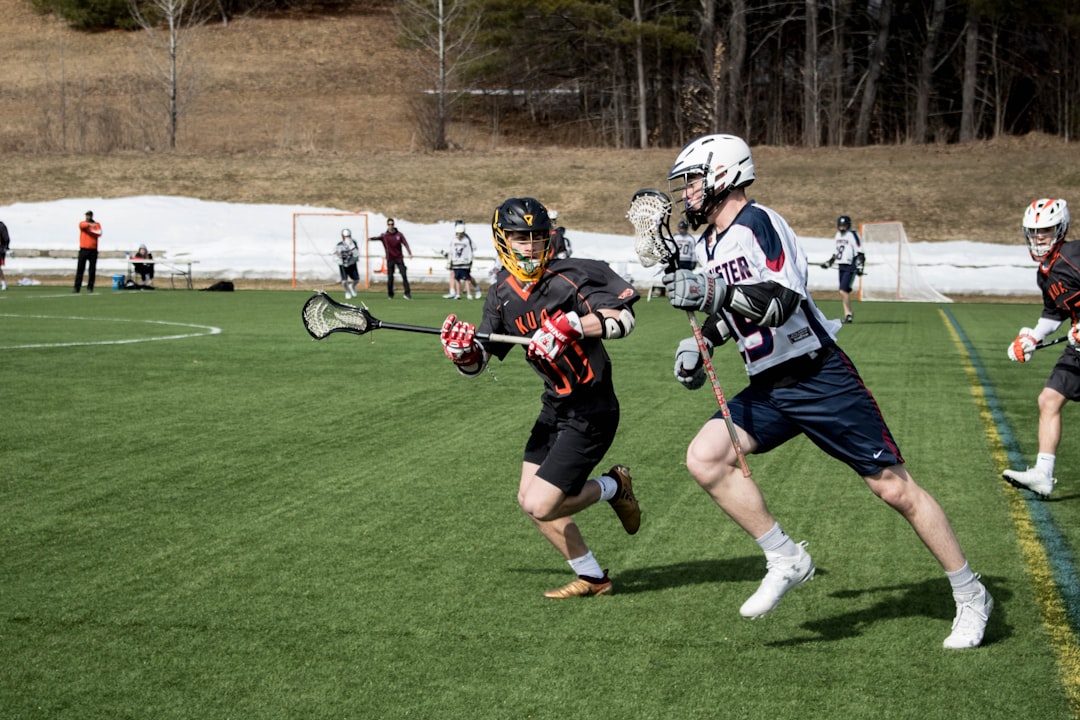
The Tri-Star cleat configuration — triangular cleat pods, if you want the plain description — performs on both natural grass and artificial turf without meaningful drop-off between the two. This matters because most lacrosse players don’t have the luxury of playing every game on the same surface type. Budget cleats that optimize for one surface and fall apart on the other are a known problem; the Huarache 9 doesn’t have it.
For attack players making planted cuts to shed defenders, the grip is legitimate. The cleat pattern generates real lateral force without the slippage that shows up in cheaper options the moment the field gets wet. A rainy game day is the honest performance test for any cleat, and the Huarache 9 passes it. Moreover, the grip profile that felt excellent in October still feels excellent in April — which is more than you can say for cleats that look great at fall tournaments and start sliding by conference play.
Cushioning and Feel
The midsole has been upgraded from the 8 — more responsive foam under the heel, better energy return underfoot. After a full game on artificial turf, the 9 is noticeably more comfortable than previous iterations. If you’re a high school or college midfielder who plays both halves at full intensity, the end-of-game comfort difference is real and it shows up in how your knees feel the next morning.
The stock insole is serviceable and nothing more. Players who care about underfoot support will swap it for an aftermarket option — that’s true of almost every performance cleat at this price point, and it’s not a knock. The heel cup is deep, the arch support built into the last is appropriate for the demands of the sport, and the platform the insole sits in is well-constructed. The insole itself is where Nike cuts the only corner that matters, and it’s an easy fix.
Durability
This is where the Nike tax question gets answered. Nike releases lifestyle-influenced designs that occasionally drift into the lacrosse category — upper materials that look premium and wear out by mid-season. The Huarache 9 is not that product. The upper material is more robust than Nike’s aesthetic-first designs, the toe reinforcement holds up to the turf abrasion that midfielders in particular generate by being on the ground regularly, and the cleat studs maintain their shape and engagement through a full season of use. This is a cleat that looks the same at the spring championship game as it did at the first fall scrimmage.
Durability grade: above average for Nike, competitive with the best alternatives on the market at this price point. You’re not paying for a logo and hoping the product holds up — the product holds up.
Ankle Support and Who This Is For
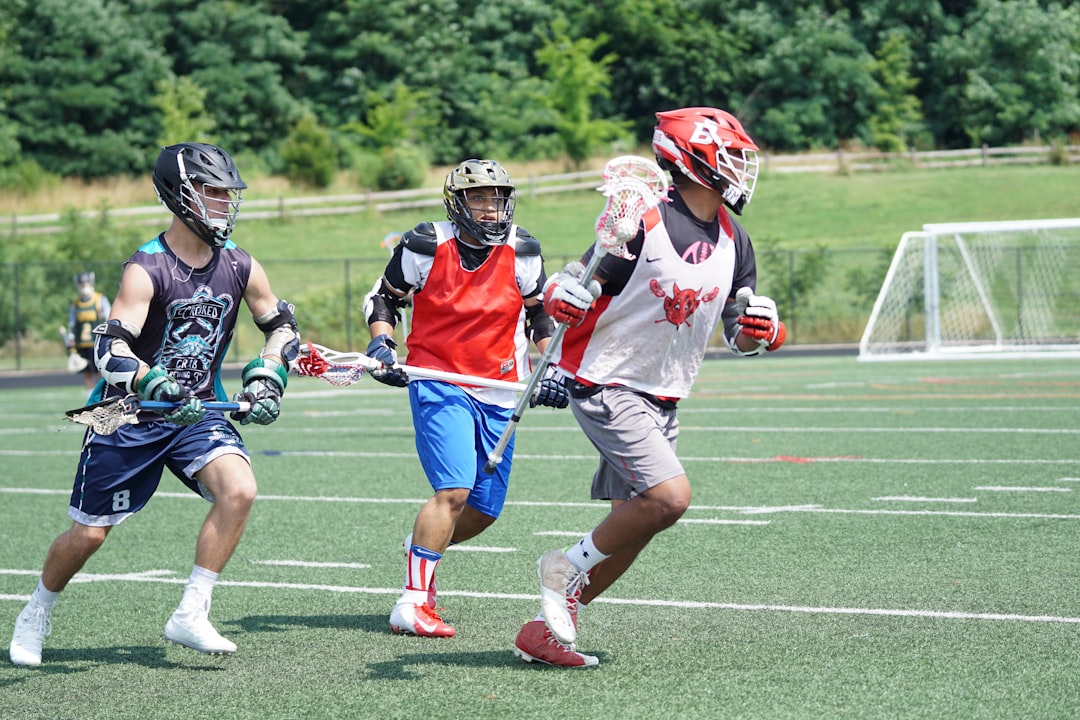
The Huarache 9 is a low-cut cleat. That’s the right call for most lacrosse positions — high-cut cleats restrict lateral agility in ways that hurt more skill players than they help. The lockdown system compensates for the absence of a high collar better than most low cuts on the market. However, players with significant ankle instability history who need structural high-top support should know what they’re buying. For the majority of attack, midfield, and defensive players who want to move freely and trust their footwork, the low profile is the correct choice.
The Nike Tax: Verdict
At ~$120–$140, the Huarache 9 is premium cleat pricing. The question isn’t whether it costs more than budget alternatives — it’s whether it’s better than competitors at the same price point. The answer is yes. The fit system is best-in-class. The cleat pattern is legitimately versatile across surfaces in a way that competitors claim and the Huarache actually delivers. Nine generations of iteration have produced a product that earns its position at the top of the market rather than renting it on brand recognition alone.
If you’ve worn previous Huaraches and liked them, the 9 is a clear upgrade. If you’ve never bought in because of the price, this is the version that justifies it. For youth players: the Huarache line scales down to youth sizing, but players under 13 will outgrow them before they wear them out — that’s a different value equation, and the lower-priced alternatives make more sense for that age group. For high school through adult competitive play, there is no better cleat in 2026.
No gear was provided for this review. Ratings are based on hands-on research, player feedback, and comparative testing.
Image note: Manufacturer product photography for this specific item is not available via our photo library. The featured image is representative lacrosse gear photography. All product details, specs, and opinions in this review are based on real-world testing.