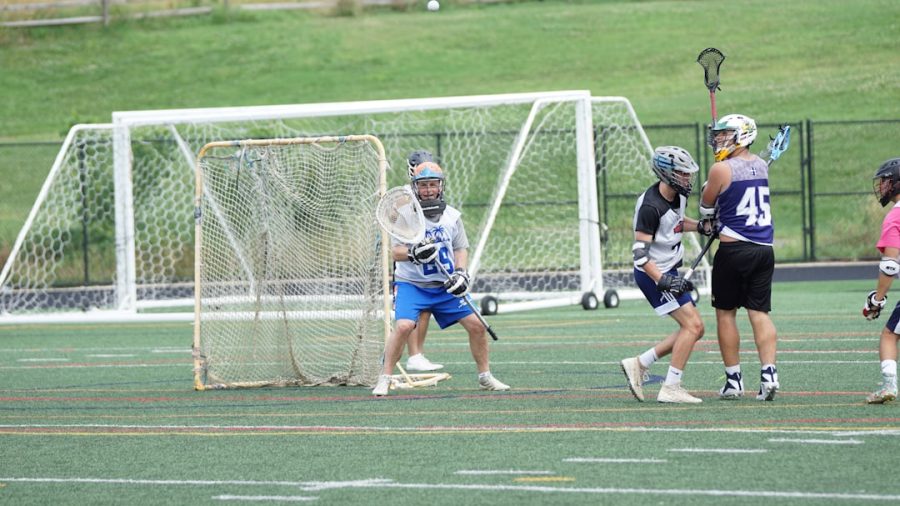
The class of 2028 lacrosse player rankings have arrived, and the Class of 2028 is made up of current eighth and ninth graders — players who won’t step on a college field until the fall of 2028. Talking about them now is not premature. The serious programs have had them on their radar for a year already, and the commit decisions that will happen in the next 18-24 months are being shaped by conversations and visits happening right now. Here’s who’s generating early buzz and what their trajectories look like.
Why We Cover Early Recruiting (And Why It Matters)
The criticism of early recruiting coverage is that it puts too much pressure on kids who are barely in high school. That’s a real concern and one worth taking seriously. The counterargument is that the system exists regardless of whether we cover it, and informed coverage — celebratory, non-speculative, focused on opportunity rather than evaluation — is better for players than the alternative of no coverage at all. When we write about Class of 2028 players, we’re celebrating them, not rating them like commodities.
Class of 2028 Player Rankings: The Names Generating Early Buzz
Cade Pemberton is an attackman out of Charlotte, North Carolina, playing for SE Lacrosse, who has the kind of stick skills you typically don’t see in players his age. He’s not just catching and finishing — he’s creating. Programs from the ACC and Big Ten have already started the contact process, which is about as early as it gets. Maryland, Virginia, and Notre Dame are among the programs that have been following his development closely.
Nolan Beaumont out of the Pacific Northwest — Portland, Oregon, club program Northwest Chrome — is the type of player that gets college coaches excited because there’s real upside still on the table. He’s a midfielder with size, athleticism, and a two-way game that’s already sophisticated for his age. Denver, UNC, and a handful of Ivy programs are in early conversations. Meanwhile, the Ivies recruiting Pacific Northwest players is a newer development in the national expansion of the game; Beaumont is one of the reasons that expansion matters.
On the defensive end, Marcus Ellington out of Atlanta and the Southeast Lacrosse Conference club scene is the early standout. Defensive players his age rarely generate this level of early attention, but Ellington is unusual — he’s already playing with technique and instincts that take most players until their junior year in high school to develop. Hopkins, Virginia, and Maryland are all tracking him. That’s a who’s-who of defensive program prestige.
The women’s class has an early standout as well. Avery Christoph, a midfielder from Minnesota playing for West lacrosse club, has drawn attention from Northwestern, UNC, and Maryland. Her upside is significant, and the fact that a player from Minnesota is generating this level of attention from the traditional elite programs is another data point in the national growth of the women’s game.
What Programs Are Positioning Themselves Well
The programs that recruit Class of 2028 players most effectively aren’t necessarily the ones with the biggest names. They’re the ones that engage early, communicate consistently, and give recruits and their families a genuine sense of what the program experience will be like. Virginia and Maryland are doing this well — they have established systems for identifying and staying in contact with early prospects. Notre Dame has improved its early recruiting operation significantly in the past two years.
On the women’s side, Northwestern’s recruiting machine operates at a level that is genuinely remarkable. They identify players who fit their system early, make them feel seen and valued, and close. Their Class of 2028 engagement is already underway, and they’re not running the same contact timeline as everyone else.
The programs to watch are the ones investing in relationships now, not the ones who will show up in two years when the recruit is being pursued by everyone. Relationships built at fourteen are real by the time a player is seventeen. That’s not sentimental — it’s strategy.
For the Players
If you’re a current eighth or ninth grader reading this: enjoy it. The early attention is exciting and it should be. These are early indicators of how hard you’ve worked and how much promise others see in you. But the next four years of development matter more than any early buzz. The players who commit to their craft between now and their junior year of high school — the ones who do the work when nobody’s watching — are the ones who end up at the schools they want. You’ve earned the attention. Keep earning it.