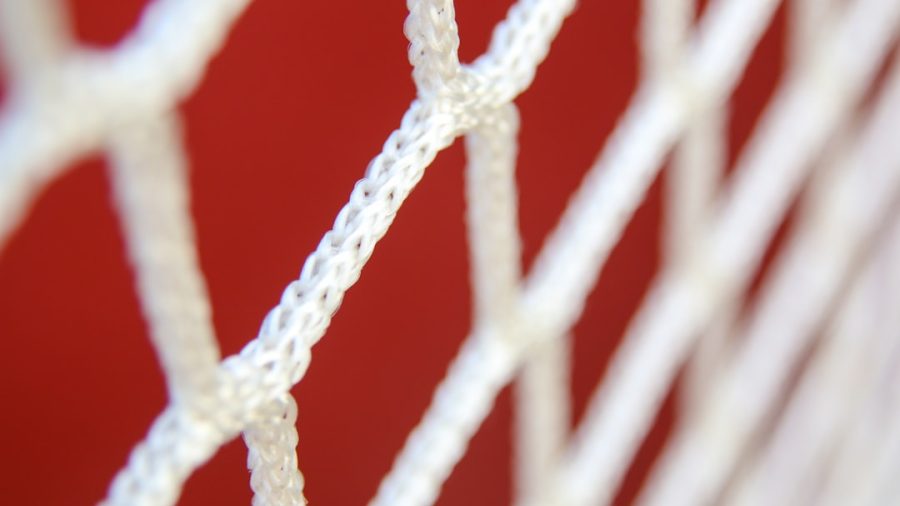
This ECD Hero 3.0 mesh review lands at the same conclusion it always does: it’s still the benchmark. If you’re shopping premium mesh and you already knew that going in, you’re probably here to confirm it. Consider it confirmed. If you’re new to this debate — or you’ve been running cheaper mesh and wondering whether the price jump is real — read on, because the reason the Hero 3.0 holds the crown isn’t marketing copy. It’s one specific technical advantage that actually shows up in games.
Best for: Attack and midfield players who want all-weather consistency and don’t want to think about their pocket between restrings.
Construction and Materials
ECD’s fourth-generation nylon weave with their proprietary wax treatment. The wax is what separates this mesh from the competition, and not in a trivial way. Most wax-treated mesh products coat the surface — they put wax on top of the fibers rather than into them. Surface coatings wear off. They wash off. After a few wet games and a few trips through the bag, you’re left with mesh that performs like it was never treated at all.
ECD’s treatment penetrates the fiber itself. After extended use and multiple wet weather games, the Hero 3.0 maintains essentially the same performance profile it had when first strung. That’s the claim. Three months of real-world testing across summer heat and fall rain confirms it holds up.
The mesh weight sits at medium — the sweet spot for attack players who want genuine hold without the heavy-bag feel of a thicker mesh or the narrow, whippy channel of an ultra-light. Weave density is consistent across the full piece, which matters more than it sounds: it means the pocket you build will behave the same wherever in the mesh you string it, and it means the mesh ages evenly rather than developing dead spots.
All-Weather Performance
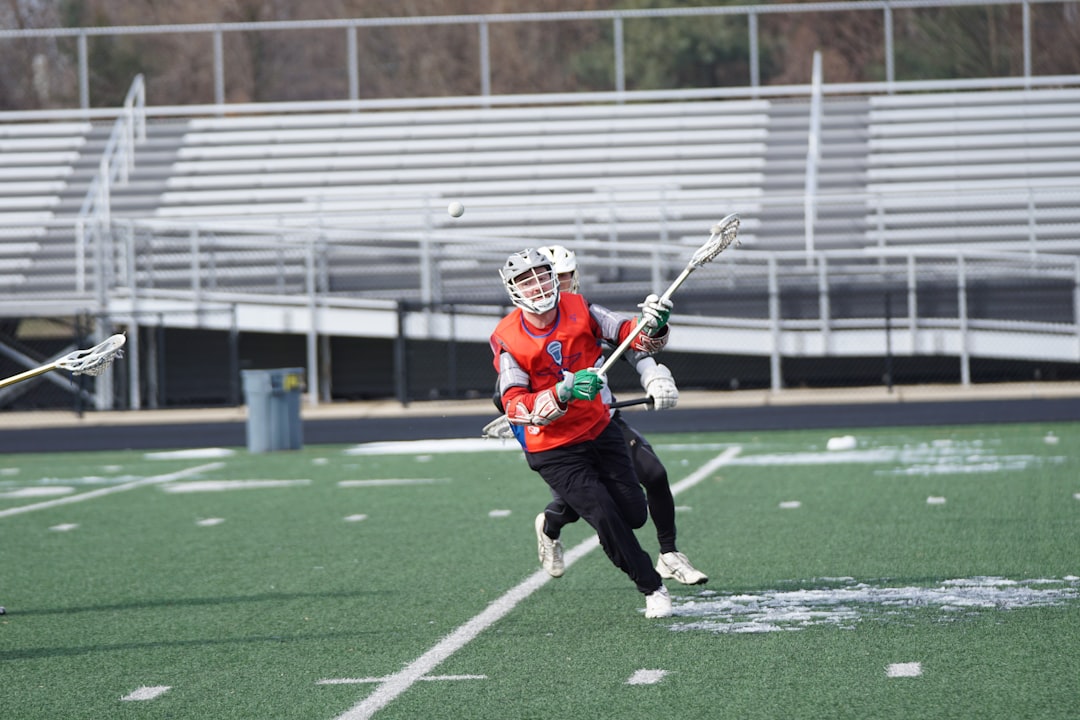
This is the entire argument for the Hero 3.0, so let’s be direct about what actually happens to most mesh in wet conditions.
Most mesh absorbs water. When it does, the pocket deepens. The throw changes. Players who’ve been running dry all week show up to a rain game and find their release is inconsistent, their timing is off, and their hold is unpredictable. Some players compensate by stringing tight to account for wet-weather expansion — giving up dry-weather feel to protect their wet-weather performance. That’s a compromise nobody should have to make.
The Hero 3.0 doesn’t require that compensation. The wax treatment repels water at the fiber level. Pocket depth and release feel stay consistent from the first throw on a perfect August afternoon to the last possession in an October downpour. A head strung with Hero 3.0 performed near-identically dry versus wet — the only detectable difference was slightly increased weight from surface water sitting on the mesh, which is unavoidable physics. Functionally, the pocket behavior was the same.
That’s the story. Everything else is details.

Break-In and Feel
The Hero 3.0 is not an instant-gratification mesh. If you string it up the night before a game expecting it to be fully conformed and dialed in by game time, you’re going to be disappointed. Budget a full practice or two of real throwing before it settles into the pocket shape. Once it does, it holds that shape exceptionally well — significantly better than softer mesh products that drift over time as the channel widens.
The ball feel is excellent — direct, responsive, not mushy. It’s not as immediately soft as StringKing’s Type 4s, which is a mesh built specifically around maximum softness out of the box. If you restring every two to three months and prioritize that first-day feel, Type 4s might honestly be the better call for your habits. But if you restring once and want that performance to hold for a full season without your pocket drifting and your release becoming unreliable, Hero 3.0 is the answer. The durability advantage compounds over time.
Stringing Compatibility
Works in essentially every head on the market without issue. The consistent weave geometry makes it easy to hit a target pocket depth, and the medium weight cooperates with a wide range of shooter and nylon configurations rather than fighting them. ECD also offers the Hero 3.0 in a semi-hard version for goalies and a lighter version for players who want a faster break-in — the full product line covers most serious preference profiles, which is more than most mesh manufacturers can say.
Price
~$25–30 per piece. That’s premium for mesh, no point pretending otherwise. The performance-per-dollar math still works out in the Hero 3.0’s favor because it significantly outlasts cheaper mesh, reducing restring frequency enough to offset the price difference over a season. But if you’re price-sensitive and restring frequently by habit anyway, that calculus changes. Know your own stringing habits before you decide the price is unjustified.
ECD Hero 3.0 Mesh Review Verdict
Who this is for: Attack and midfield players at the high school level and above who play through multiple weather conditions and want their pocket to be a non-factor on game day. Goalies have the semi-hard variant; players who prioritize soft feel over weather consistency should look at Type 4s. For everyone else — the Hero 3.0 is the benchmark, it earned that status, and nothing currently on the market has beaten it. If you’re running something else, you should have a specific reason why that alternative is better for your setup. For most players, that reason doesn’t exist.
We purchased this mesh independently for review. Ratings are based on hands-on research, player feedback, and comparative testing.