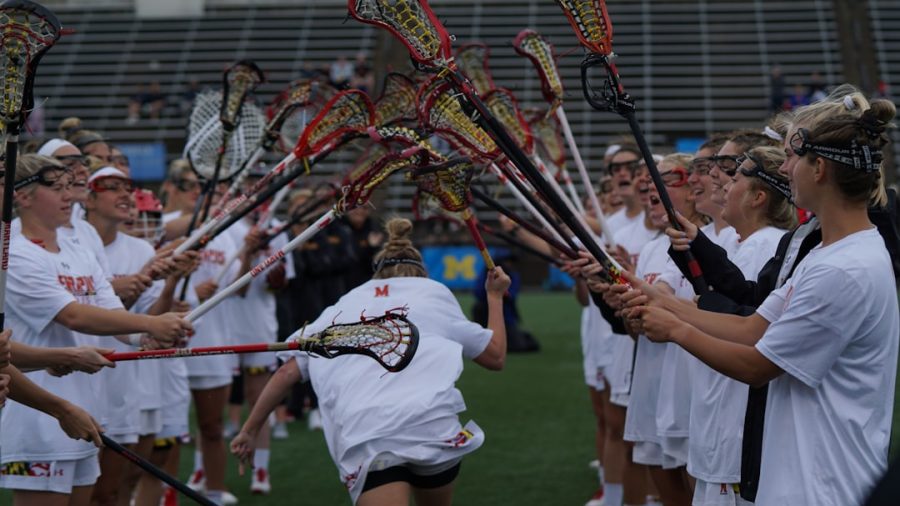
Among D1 lacrosse programs, midseason disappointments are always part of the story — and 2026 is no exception. Preseason hype is easy. Actually performing in March is harder. Five programs that entered 2026 with serious expectations have not delivered on them. This isn’t a pile-on — it’s an honest accounting of what’s gone wrong and whether it’s fixable. Programs, coaches, and systems are fair game. Players aren’t the story here; the decisions around them are.
1. Duke Blue Devils (Men’s)
Duke was a preseason top-five pick for a reason: the talent is real and the program has the resources and the history. So what’s happening? Their defensive scheme is getting manipulated by teams with patient, disciplined offenses. Duke’s defense is geared to pressure and create turnovers — when opponents refuse to rush and just move the ball, Duke’s defenders get caught reaching and giving up shooting lanes they shouldn’t. This is a coaching adjustment problem. The pieces are there to fix it. The question is whether the staff identifies it before the ACC gauntlet makes it worse.
2. Johns Hopkins Blue Jays (Men’s)
Hopkins entered the year with a new-look midfield and it hasn’t gelled the way anyone hoped. The individual talent is there, but the unit is playing like strangers — wrong reads on slides, late communication calls, inconsistent effort on rides. That’s a cohesion issue, not a talent issue, which means it’s theoretically fixable. However, midfield chemistry doesn’t get rebuilt in a week of practice. Hopkins has about three weeks before the results of this dysfunction start permanently damaging their at-large resume.
3. Ohio State Buckeyes (Men’s)
Ohio State came in with legitimate Big Ten expectations and has looked uncomfortable in every close game they’ve played. There’s a mental toughness deficit showing up in the fourth quarter — they’re not losing because of talent gaps, they’re losing because they can’t execute their own system under pressure. That’s a culture and confidence issue, and no quick fix exists for it. The coaching staff needs to decide whether to push through this stretch with the current approach or make structural changes to give different players more responsibility.
4. North Carolina Tar Heels (Men’s)
This one genuinely surprises me. UNC has the athletes to compete with anyone in the ACC and their recruiting has been excellent. Still, the problem is their transition defense — they are giving up fast-break opportunities at an alarming rate, and against the best transition teams in the country, that’s a fatal flaw. The scheme they’re running doesn’t account properly for the speed of modern midfield play. Transition defense is a system choice, and this system isn’t working.
5. Florida Gators (Men’s)
Florida is developing their men’s program and the raw material is improving every year — that’s real. But there’s a gap between ‘improving’ and ‘meeting preseason hype,’ and this year’s hype outpaced where the program actually is. The young players who were supposed to provide an immediate boost have shown flashes but not consistency. Expecting freshmen and sophomores to carry a program in March asks a lot. The hype was probably premature, and whoever generated it did the program a disservice.
The Common Thread in D1 Lacrosse Programs’ Midseason Disappointments
Four of these five programs have a defensive problem at the root. That’s not coincidence. Defensive identity — the scheme, the communication, the physical and mental toughness to execute it over sixty minutes — is harder to build quickly than offensive firepower. You can add a scorer in the transfer portal. You can’t add a culture of defensive discipline in one offseason.
Programs that fell short of expectations this year overwhelmingly did so because their defense didn’t show up, and that traces back to decisions made in the previous twelve months. There’s still time to fix some of this. But the window for the 2026 season is closing. Coaches need to make honest evaluations now, not in April.