This StringKing Type 4s mesh review starts with the verdict: it’s the best mesh available for skilled attack players who care about feel over everything else. If you play indoors or in a dry climate and you’ve never found mesh that actually communicates with you, this is it. If you play fall ball in the rain every weekend and refuse to restring more than once a season, keep your Hero 3.0 and move on. Everyone else, read carefully.
D1 attack players didn’t start switching to the Type 4s because StringKing ran a marketing campaign — they didn’t. Instead, players switched because other players told them to. That word-of-mouth pipeline is the most credible distribution channel in lacrosse gear, and when it points at a single mesh for feel and touch, you pay attention.
What “Soft” Actually Means (And Why It Matters for Attack)
Mesh softness isn’t about comfort. It’s about how the weave compresses around the ball during the pocket phase and what information it transmits back to your hands. Softer mesh conforms more, grips more, and releases with more tactile feedback. For a midfielder cranking long-range shots, that difference is marginal. For an attackman working the crease and alley at close range — where the margin between a placed shot and a pipe job is millimeters and timing — that feedback loop is everything.
The Type 4s is the softest legitimate competition mesh on the market. The weave is looser and more compliant than anything in the same tier, and you feel it on throw one. Not after break-in. Throw one. The ball doesn’t just pass through the pocket — it sits, it communicates, it leaves cleanly. The first time you feel it you’ll wonder why you’ve been using anything else. The second time you’ll start questioning your life choices.
Break-In: Basically None
Two to three hundred throws and you have a fully formed, game-ready pocket. That’s it. For context, stiffer mesh like the Hero 3.0 can take a few weeks of deliberate work to reach the same result. If you’ve ever strung up a new pocket on a Thursday and spent the weekend nursing it through games instead of trusting it, the Type 4s solves that problem completely. This alone is a legitimate selling point for players who rotate sticks or restring mid-season.
The Trade-Off: Wet Weather and Durability
Here is where the honest part of the review lives, and you need to read it before you order.
Soft mesh absorbs water. That’s physics, not a manufacturing flaw. In wet conditions — rain games, heavy dew, fall ball on damp turf — the Type 4s pocket will deepen noticeably compared to a wax-treated mesh like the Hero 3.0. It’s manageable: string the initial pocket tighter than you normally would and account for the expansion. But it requires awareness and adjustment that Hero 3.0 doesn’t demand from you. If you’re the kind of player who strings once and expects consistency across every weather condition for an entire season, this isn’t your mesh.
Durability is also lower. Softer mesh wears faster, particularly along the channel seams where the ball travels most. A high-use player running Type 4s should expect to restring every six to eight weeks. Hero 3.0 players can typically run a full season without issue. That restring cadence is either a minor inconvenience or a dealbreaker depending on your relationship with stick maintenance — know which category you’re in before committing.
Hero 3.0 vs. Type 4s: The Real Comparison
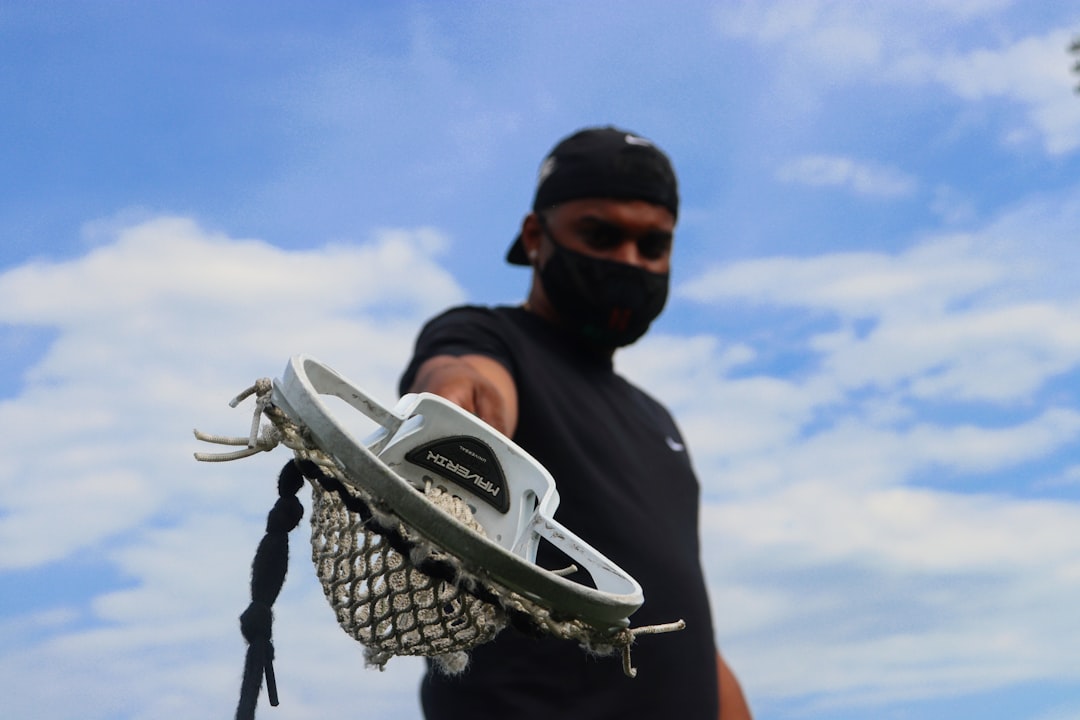
The Hero 3.0 is a legitimately excellent mesh. It’s not the enemy here. It handles weather better, lasts longer, and requires almost no maintenance consciousness from the player. For a defenseman who needs durability and all-weather consistency, there’s no argument against it.
But for an attackman — specifically a skilled, touch-oriented attack player who lives in close-range situations and practices in dry conditions most of the year — the Type 4s wins on feel in a way that translates directly to placement and confidence. The Hero 3.0 doesn’t give you that feedback. No stiffer mesh does. The trade-offs are real, but they’re the right trade-offs for the right player to make.
Who This Is For
High school varsity through D1 attack players who prioritize touch over durability. Players who restring regularly and don’t treat a new stringing job as a four-month commitment. Indoor players, box players, and anyone who plays primarily in dry climates. Players who’ve run stiffer mesh their whole careers and always felt like something was missing — you’ve been missing this.
Not for: players who hate restringing. Not for: players who play year-round outdoor ball in wet-weather climates and need one pocket to hold through November. Not for: defensive middies or LSMs who don’t need elite-level touch as their primary metric.
StringKing Type 4s Mesh Review: The Verdict
The StringKing Type 4s is a gear shift for attack players who’ve spent their career feeling like there should be more feedback in their pocket and never found it. The feel is genuinely different from anything else in the market, and for the skill positions that live and die on close-range touch, that difference wins games. The weather and durability trade-offs are documented and manageable. String it up for one pocket. You won’t go back.
We received no gear for this review. Ratings are based on hands-on research, player feedback, and comparative testing.