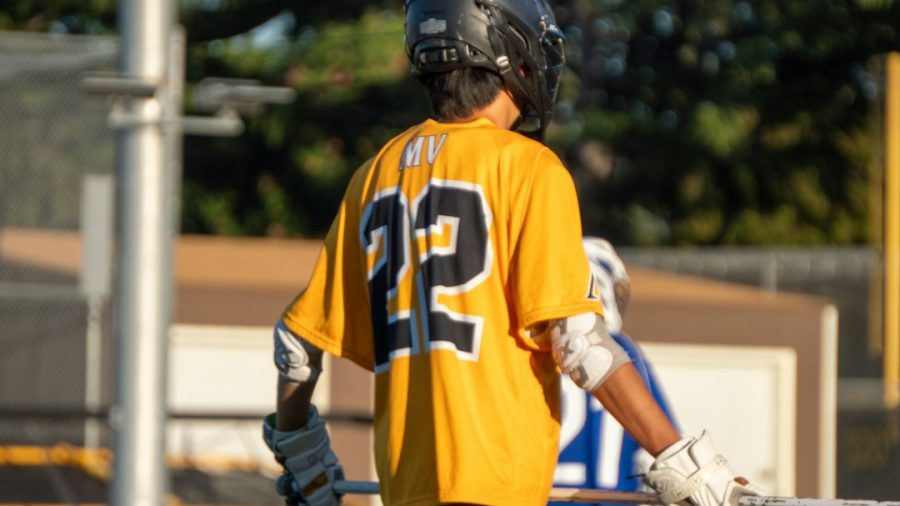
Transition is where PLL games are actually won. Not on the settled 6v6 sets that every team has rehearsed a thousand times — on the sprint, the outlet pass, the faceoff win that turns into a fast break before the defense can even set their feet. Five weeks into the 2026 season, the teams sitting at the top of the standings are there because they understand this better than their opponents. Here’s who’s doing it right, who’s doing it wrong, and why it matters.
The Maryland Whipsnakes: Transition by Design
Maryland leads the Eastern Conference at 3-1, and it’s not an accident. The Whipsnakes are built from the ground up to generate and exploit transition opportunities. Their faceoff unit — anchored by Nardella, Poitras, and Squires — was the best in the PLL in 2025, and it hasn’t fallen off. Win the faceoff, push the pace, attack before the defense is organized. That’s the formula, and Maryland runs it with the precision of a program that’s been executing it for years.
What makes them different in 2026 is the versatility of their offensive personnel. Matt Rambo, TJ Malone, Rob Pannell, and the rest of that attacking core are dangerous in transition specifically because they don’t need to set up. They can catch a skip pass in stride and go. Joey Spallina — seven points in his first two games as a rookie — has added another dimension the defense can’t key on. The Whipsnakes aren’t just winning faceoffs and dumping the ball to a set play; they’re running full-field sequences that end in high-percentage looks before opposing defenses can organize.
Their No. 1-ranked defense from 2025 is also a transition engine in the other direction. Matt Dunn, Tim Muller, and Ajax Zappitello aren’t just stopping goals — they’re generating outlets. Every clean stop in the defensive end is a potential sprint in the other direction. Maryland’s transition attack starts with their defense, and that’s the kind of system detail that doesn’t show up in the box score but absolutely shows up in the standings.
Carolina Chaos: Depth as a Weapon
The Carolina Chaos came back from a 5-1 deficit in the first quarter against Denver in Week 4 to win 12-11 on a Chad Palumbo go-ahead goal with eight minutes left. Nine different Chaos players scored in that game. Nine. That’s not a coincidence — that’s a team that can run at you in waves, and when you’re operating in transition, depth is a massive advantage.
Carolina’s transition game works because their midfield isn’t tiered the way most PLL rosters are. There’s no dramatic drop-off between their first-unit midfielders and their fourth line. When they push pace, they can sustain it for longer than teams with top-heavy rosters. The Outlaws thought they’d weathered the storm at 5-1; they hadn’t, because Carolina hadn’t even sent their best stuff at them yet. That six-goal run to close the first half wasn’t a fluke — it was a team that plays faster than you can adjust to when they’re rolling.
Rookie Palumbo in transition specifically is worth watching for the rest of this season. Rookies who can impact transition games before they’ve fully figured out the settled offensive game are rare. He sees the floor early, doesn’t hesitate on the sprint, and has the finishing ability to convert when he gets there.
Philadelphia Waterdogs: When the Score Blows Open
Seventeen to ten over Boston. The Waterdogs led 15-3 in the second half, which means at some point the Cannons just stopped being able to ride effectively and Philadelphia turned the game into a track meet. CJ Kirst’s six-goal performance got the headlines, but what enabled it was transition. Once Boston started playing from behind by double digits, they had to gamble on their rides, and the Waterdogs ate them alive in the open field.
The Waterdogs’ star-heavy attack — built around skilled dodgers and playmakers rather than pure pace — is most dangerous when it gets early looks before a defense is organized. This team doesn’t need the full transition sprint to generate advantages; a half-break, a 2v1 in the crease area off a quick clear, is enough. Kirst in those situations is as automatic as anyone in the league.
The Systems That Generate Transition: A Breakdown
The Faceoff-to-Attack Chain
The cleanest transition opportunity in lacrosse is a faceoff win followed immediately by a push before the opposing defense can get set. Maryland has turned this into a science. The key isn’t just winning the faceoff — it’s what happens in the first two seconds after the FOGO comes up with the ball. Teams with a predetermined push call, where the attacking midfielder is already sprinting before the faceoff is decided, get to the cage against a 5v6 or 4v6 situation more often than teams that wait to see what happens.
Goalie Outlet Passing
This is the underrated transition trigger in the PLL that doesn’t get enough analytical attention. A goalie who can throw a precise 40-yard outlet pass off a clean save turns every defensive stop into a potential fast break. Denver’s Logan McNaney has been credited this season for his outlet ability generating secondary transition chances for the Outlaws. It’s not enough to save the shot; where the ball goes next determines whether you’re playing defense again in 15 seconds or attacking on the run.
Riding Aggression vs. Bend-Don’t-Break
The teams who are losing transition battles in 2026 are the ones whose rides are getting beaten consistently. Boston is the clearest example right now — sitting at 1-3, and their 10-goal performance against the Waterdogs tells you their defense is giving up ground in transition before they can even set up a cage defense. An aggressive ride that gets beaten is worse than no ride at all, because it gives up numbers the other way. The Cannons have to solve this, or their season is going to stay ugly.
The Bottom Line: Pace Is Not Optional
The PLL’s field dimensions and shot clock are specifically designed to reward teams that play fast. Sitting in settled 6v6 offense is a trap — the defense has too much time to organize, and the offense burns clock getting to their preferred sets. The teams winning in 2026 have internalized this. Maryland wins faceoffs and attacks. Carolina runs in relentless waves. Philadelphia converts half-breaks into goals against flat-footed defenses.
The teams that are struggling are the ones still trying to play a half-court game in a full-court league. The PLL isn’t slowing down, and neither are the teams at the top. If you can’t generate transition or you can’t stop it, you’re going to spend September watching somebody else in the playoffs.
Editorial note: Specific per-game transition stats were not available at time of writing. Game results and standings reflect through Week 4-5 of the 2026 PLL season. Verify current standings before publishing.