Knowing how to organize lacrosse bag tells people everything they need to know about you before you even pick up a stick. Walk onto a field with a packed-to-the-brim disaster zone slung over your shoulder and coaches notice. Show up with a clean, organized setup and you’re already ahead of the guy spending five minutes looking for his mouthguard while warmups start.
This isn’t about being precious with your gear. It’s about being ready. Organized players move faster, protect their equipment better, and never miss a rep because they can’t find something. Here’s how to organize lacrosse bag like you actually mean business.
How to Organize Lacrosse Bag: Start with Zones, Not Piles
Every serious bag runs on zones. Think of it in three tiers: what you need immediately, what you need at game time, and what you never need mid-session. Jumbling all three together is how you end up digging for your chinstrap with 30 seconds before face-off.
Immediate access zone — this is your outer pocket and top compartment. Water bottle, keys, phone, mouthguard case, extra laces. Things you grab in the first two minutes of arriving or the last two minutes of leaving. Keep this pocket clean. If it’s full of old tape scraps and a half-eaten granola bar from October, you’ve already failed.
Game-time gear zone — main compartment. Gloves, arm pads, shoulder pads, helmet (more on that below). Everything that goes on your body before you step on the field lives here. Fold or roll your pads instead of stuffing them — it saves space and your pads won’t smell like death after two seasons.
Long-term storage zone — bottom or secondary compartment. Extra balls, backup stringing supplies, an old pair of gloves, sunscreen, athletic tape, a dry shirt for after. You’re not accessing this mid-practice, but when you need it, you’ll know exactly where it is.
Protecting Your Helmet in Transit
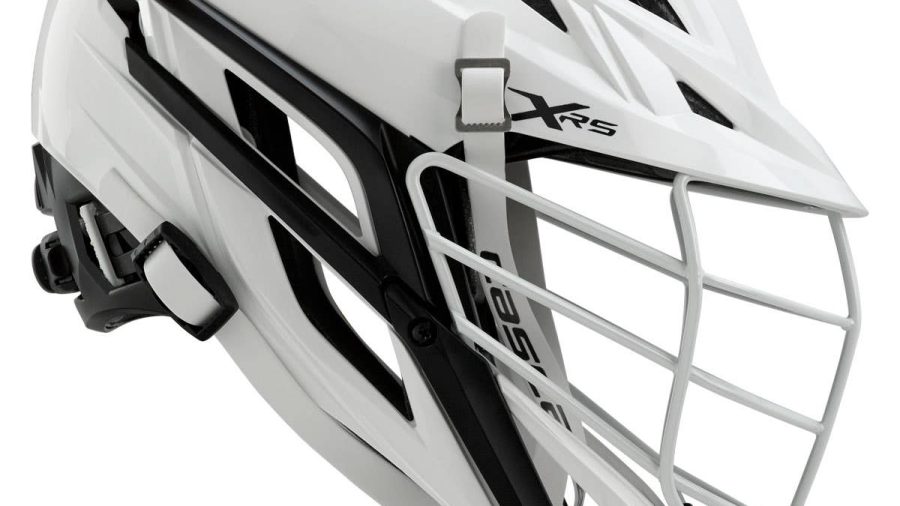
Helmets are expensive and structurally sensitive. A helmet bouncing around loose in a bag, taking hard shots from your shoulder pads every time you drop it, is a helmet that might fail when it counts. That’s not a risk worth taking.
If your bag has a dedicated helmet compartment, use it every single time — no exceptions. If it doesn’t, your helmet goes in last, on top, padding side facing up. Wrap it in a spare t-shirt or get a mesh helmet bag if you’re transporting it regularly. The shell can scratch and the foam can compress. Treat it like the piece of safety equipment it actually is.
Never put your helmet at the bottom of the bag with cleats sitting on top of it. This sounds obvious. You’d be surprised.
Stick Organization That Actually Works
Most bags have stick sleeves on the outside for a reason — use them. External stick pockets keep your shafts protected and your main compartment functional. If you’re running two sticks (and at the varsity level, you should be), organize by role: your primary goes in the dominant-side sleeve, backup goes opposite. You’ll always know which one you’re pulling.
Keep a close eye on your mesh and pocket during transport. Sticks bouncing around get their pockets distorted, especially in cold weather when mesh tightens. In a climate with real winters, consider a pocket protector or store sticks with a ball socketed to maintain pocket shape. It’s a small habit that saves you a 20-minute re-string the morning of a game.
Tape the throat of any stick that’s been repaired or is showing wear. The last thing you need is a crack propagating because a shaft took an awkward hit at the bottom of a pile.
The Wet Gear Problem
This is where most players fail completely. Wet gear goes in the vented compartment — every bag worth buying has one. If yours doesn’t, your wet gloves and soaked socks do NOT go back into the main compartment to sit against your clean gear. Get a mesh stuff sack, cost you five dollars, problem solved.
After every practice, gloves air out outside the bag. This is non-negotiable if you care about your gear lasting more than one season and you care about not clearing out a locker room with the smell of your hands.
The Weekly Reset
Serious players who know how to organize lacrosse bag do a full reset once a week. Empty everything. Pull out the garbage — the broken laces, the dead batteries, the pre-wrap scraps. Check your supplies: tape, extra strings, mouthguard condition. Restock what’s low. Put it back in the right zones.
This takes ten minutes. Players who skip it are the ones borrowing tape from teammates, showing up without a backup mouthguard, and losing focus on game day because something isn’t where it’s supposed to be.
The Bottom Line
Lacrosse bag organization is a discipline, not a personality type. You don’t have to be a neat freak — you have to be a prepared player. Zone your gear, protect your helmet, keep your sticks accessible, get wet gear out of the main compartment, and reset weekly. Do this consistently and you’ll spend exactly zero mental energy on equipment logistics when it actually matters. That’s the point.
The players who look like they’ve been doing this forever? They have systems. Build yours.