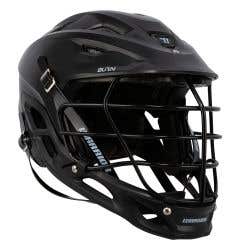
Let’s be honest about what’s happening at the sub-$100 helmet market: you’re making compromises. The question is which compromises you can live with and which ones will make you regret every check you take. We tested three helmets that actually show up in this price range — the Maverik Rome RX3, STX Stallion 600, and Warrior Evo — and ranked them based on what matters: protection, fit, and whether a real lacrosse player can wear this thing without embarrassment.
How We Ranked These
Ranking criteria: NOCSAE certification and actual protective feel, ventilation and comfort during live play, fit system quality and adjustability, visual design, and raw value against the price tag. We’re not giving anyone points for brand name alone. These helmets were evaluated for youth rec players, high school JV-level athletes, and backup/practice gear situations. If you’re a varsity starter expecting D1-level protection from a $80 helmet, recalibrate your expectations before reading further.
1. Maverik Rome RX3
The RX3 is the clear winner in this tier, and it’s not particularly close. Maverik engineered a helmet that doesn’t feel like it’s apologizing for its price point — the shell construction is solid, the foam liner actually absorbs impact rather than just sitting there, and the facemask options are reasonable for the money. The fit system uses a dial adjustment that works, which sounds like a low bar until you wear the other two helmets and realize how much that matters. At roughly $80–$90 street price, this is legitimate gear for a rec-league adult or a youth player who needs something certified and functional. The ventilation is adequate — not great, you’ll notice the difference on hot days — but it won’t cook your head. This is the one you buy if budget is real and you don’t want to compromise on protection.
2. STX Stallion 600
The Stallion 600 sits comfortably in second place, and the reason it’s not first is fit consistency. When it fits, it fits well — the liner is comfortable, the profile is cleaner than you’d expect at this price, and STX’s reputation for facial protection geometry holds up here. The problem is that the adjustment range doesn’t work for every head shape, and if you’re on the outer edges of the size spectrum, you may find yourself in a helmet that moves more than it should. For an average-sized player with a standard head shape, this is a legitimate option at the $75–$85 range. The facemask visibility is actually better than the RX3, which matters for young players still developing their peripheral tracking. Worth trying on before committing — this is a helmet where fit-testing matters more than usual.
3. Warrior Evo
The Evo makes this list because it’s certified, it’s available, and it’s genuinely cheap — often found under $70 — which makes it relevant for parents who need something for a kid who might not stick with the sport past one season. But let’s not dress it up: this is the weakest helmet of the three. The ventilation is minimal, the fit system is basic dial-adjust that lacks the refinement of the RX3, and the overall build quality feels like it’s hitting a price point rather than a performance target. It’s not unsafe — it cleared NOCSAE — but the foam density and shell rigidity don’t inspire confidence the way the other two do. If you’re buying this for a committed player, spend the extra $15-20 and get the RX3. If you’re buying this for a fifth grader’s first season and you’re not sure lacrosse will stick, it does the job.
The Bottom Line
The Maverik Rome RX3 is the buy for anyone who needs a sub-$100 helmet and wants to stop thinking about it. It’s not a varsity game helmet, but it’s solid gear that won’t fail a player at the youth or recreational level. The STX Stallion 600 is worth considering if fit testing works in your favor — the visibility and comfort are legitimately good when it sits right. The Warrior Evo is for one specific buyer: the parent of a first-year youth player who needs proof of concept before investing more.
What none of these helmets are: good enough for a high school varsity player who’s taking real hits from real athletes. If you’re playing at that level, this roundup is not for you. Save up and get into the $150+ tier where the protection engineering actually matches the competition level. Budget gear has a place in this sport — just know exactly what that place is before you buy.