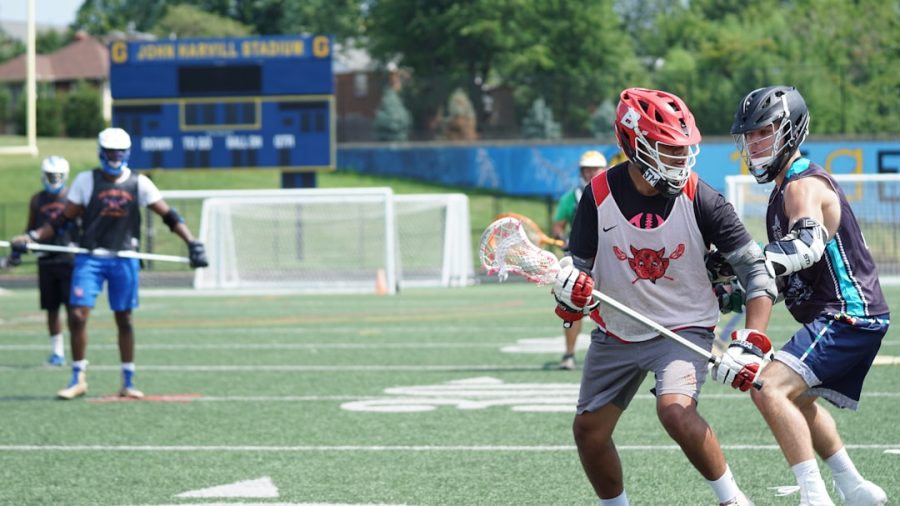
This 2026 D1 mens lacrosse season preview starts with a simple truth: this year is worth watching. Not because every year in lacrosse is great — some years are genuinely mediocre — but because the specific storylines lining up this spring are legitimately compelling. Here are the five threads worth tracking from the first weekend of play through Memorial Day weekend.
1. Can Princeton Defend the Title in the 2026 D1 Mens Lacrosse Season?
Every defending champion faces the same problem: everyone else spent the entire offseason studying them. Princeton didn’t get where they are by accident — the program culture is real, the coaching is elite, and the system is designed to survive graduation attrition. But defending a national championship in college lacrosse is genuinely difficult. Teams prepare for you differently. The scouts are out. The bracket seeds favor challengers. Watch how Princeton responds to the pressure of being hunted rather than hunting.
2. The ACC Is Eating Itself Alive
Virginia, Duke, Syracuse, Notre Dame, North Carolina — they all play each other. They all beat each other. By May, several ACC programs that could legitimately win a national championship will have enough losses to create seeding problems. The committee doesn’t reward conference strength the way it should, which means one of these programs is going to get a bracket draw that insults what they’ve accomplished. This happens every year. This year, however, feels like it could be particularly brutal.
3. Which Transfer Portal Story Gets Written This Year?
Every spring, there’s a transfer who arrives at a new program and plays like a man possessed against his old one. Sometimes a program rebuilds their entire offensive line via the portal and wins the tournament. Sometimes a team watches three key players leave and somehow plays better without them. The portal has made college lacrosse roster construction more dynamic, and as a result the best stories of 2026 will involve a player who changed programs and changed outcomes. Watch for it.
4. The Ivy League Belongs in the Conversation
Princeton obviously. But Cornell, Yale, and Harvard are all programs capable of beating anyone on a neutral field in a single-elimination format. The Ivy League doesn’t get the recruiting profile of an ACC or Big Ten program, but it consistently produces teams that are disciplined, intelligent, and physically capable of competing at the highest level. If you’re filling out your May bracket in February, don’t draw a line through the Ivy bracket winner before they’ve played a game.
5. The Goalie Situation at Multiple Programs
This is an under-the-radar storyline that will matter a lot by late April. Several programs that were competitive in 2025 are breaking in new starters in goal in 2026. Goalkeeping is the position where experience matters most, and a young goalie facing a hostile road crowd for the first time in a big conference game is a different player than that same goalie two months later. The teams that stabilize their goalie situation early will be playing meaningful games in May. The teams that don’t will be watching from home.
6. Program Rebuilds: Who’s Actually Ahead of Schedule?
Every year several programs claim they’re rebuilding while actually just losing. And every year one or two programs that legitimately took a step back turn the corner faster than expected. The 2026 season will reveal which “rebuilding” programs have actually built something and which ones are using the word as cover for declining standards. Pay attention to the programs that finished below .500 in 2025 — at least one of them is going to surprise you.