This Maverik Optik 3.0 head review starts with the bottom line: it’s the best attack head available in 2026. Not one of the best — the best, for the position it’s designed for, at the level of play it targets. You’ve been watching elite D1 attackmen run it with increasing frequency over the last three years. That’s not a sponsorship pattern — athletes whose livelihoods depend on equipment decisions don’t run gear that underperforms. The Optik 3.0 earns its place on those sticks every time someone picks it up and strings it correctly. Here’s the full case for why.
What It Is and Who It’s Built For
The Optik 3.0 is Maverik’s top-of-line attack head — designed explicitly for offensive play at the high school through college level. It’s a mid-width offset head with aggressive scoop geometry, medium-soft sidewall flex, and a pocket-holding design that cooperates with a wide range of mesh and traditional setups. This is not a versatile head that tries to serve every position and ends up fully serving none of them. It’s an attack head. Defenders and LSMs looking for a head that can take a brutal check and hold legal should look elsewhere (the STX Hammer 2K exists for a reason). The Optik 3.0 is built for score-first play, and it shows in every design decision.
Offset and Face Shape: The Shooting Geometry Is Right
The moderate offset positions the pocket to naturally angle toward the shooter on release — enough to help your shooting motion without forcing you into a specific mechanics pattern. Players who’ve used both deeply offset heads and flat heads will recognize this as the productive middle: the pocket sits where you want it for cage-to-cage situations without fighting you when you’re throwing across your body or feeding from behind.
The face shape is mid-width — not the narrow pinch of a dedicated defensive head, not the wide open basket of a goalhead. For attack play, this is correct. You need width for catching passes in traffic and enough channel geometry to hold a consistent pocket. The Optik 3.0 gives you both without the face being so wide that precision shots become harder to place.
Scoop: Designed for Groundballs in Traffic
The scoop angle is aggressive, and the leading edge of the throat is specifically designed to dig under balls in tight situations. Anyone who’s ever watched their stick bounce off a groundball in front of the cage knows what poor scoop geometry costs you. The Optik 3.0’s scoop design picks up cleanly — it digs, channels the ball toward the pocket quickly, and doesn’t require a perfect technique approach to work. In high-traffic groundball situations where there’s no time for precision, this head cooperates. That’s not a minor detail; it’s a competitive advantage in the moments that change games.
Sidewall Flex and Stringing: Why Stringers Love This Head
The medium-soft sidewall flex is one of the most carefully calibrated aspects of this head’s design. There’s enough give to let the pocket settle into a consistent channel and hold shape through cradles and shooting motions. Not so flexible that the sidewalls move during a defensive check and shift your pocket. That balance is harder to achieve than it sounds, and cheaper heads in the attack category routinely get it wrong in one direction or the other.
The stringing channels are deep and evenly spaced — compatible with ECD Hero, StringKing Type 4s, traditional leather, and essentially every serious mesh option in the market. This is the head that cooperates with your stringer’s vision rather than fighting it. High pocket configurations — pocket sitting up and running through the throat — work particularly well on the Optik 3.0. Attack players who want their pocket high and tight will find this one of the most cooperative heads available for that setup. Stringers who work with multiple players’ gear will tell you the same thing: this head strings well, holds what you put in it, and doesn’t cause problems.

Pocket Retention: Holds Its Shape Through a Full Season
One of the persistent complaints about softer attack heads is sidewall flare — the gradual opening of the sidewalls with use that changes your pocket geometry and eventually requires re-stringing to compensate. Maverik’s plastic formulation on the Optik 3.0 resists this deformation significantly better than many competitors at similar price points. The head you string in September should have mechanically similar geometry in March. That’s a meaningful quality-of-life difference across a full season and a real cost savings if you factor in stringing time and materials.
Durability under direct impact is good for an attack head — appropriate for the position, not built for the kind of checking punishment a defensive head absorbs. Under normal attack-position contact, it holds up. Don’t run this as a defensive head and then complain it cracked.
Weight: Light Without Cutting Corners
The Optik 3.0 is among the lighter attack heads in its class. Maverik removed material where structural integrity allowed it — the throat and sidewall sculpting reduces weight without compromising the places the head needs to be solid. Combined with a light shaft (the StringKing Metal 3 Pro or the Epoch Dragonfly i9), the complete stick weight is excellent for attack players who want a fast, quick-release setup.
Maverik Optik 3.0 Head Review vs. The Competition
The STX Stallion U is the most direct competitor and it’s a legitimate head. The Stallion U has slightly more offset for players who want a more extreme pocket angle, and the STX plastic tends to be stiffer out of the box. For players who specifically want more flex in the sidewall for a looser pocket feel, the Optik 3.0 wins. For players who want maximum rigidity and a very deep offset, the Stallion U deserves a look. The Warrior Burn Brine Mark 2V and the Maverik Kinetik are also competitive at this tier — the attack head market is healthier than it’s been in years. But the Optik 3.0 has the best combination of scoop quality, stringing compatibility, pocket retention, and weight of anything available right now.
Buy It or Skip It
Buy it if: You play attack at the high school or college level and want the best attack head available. You care about pocket consistency across a full season. You want a head that cooperates with your stringer rather than fighting them. You need a reliable scoop in traffic situations where the game is actually decided.
Skip it if: You play defense or LSM and need a head that holds legal after taking a direct cross-check. You specifically want maximum stiffness and the deepest possible offset — the market has options that specialize harder in those directions. You’re a youth or middle school player — the price and performance profile of the Optik 3.0 are both targeted at competitive older players.
The Maverik Optik 3.0 is the best attack head in lacrosse right now. If you play attack and haven’t tried it, that’s the only recommendation you need.
No gear was provided for this review. Ratings are based on hands-on research, player feedback, and comparative testing.
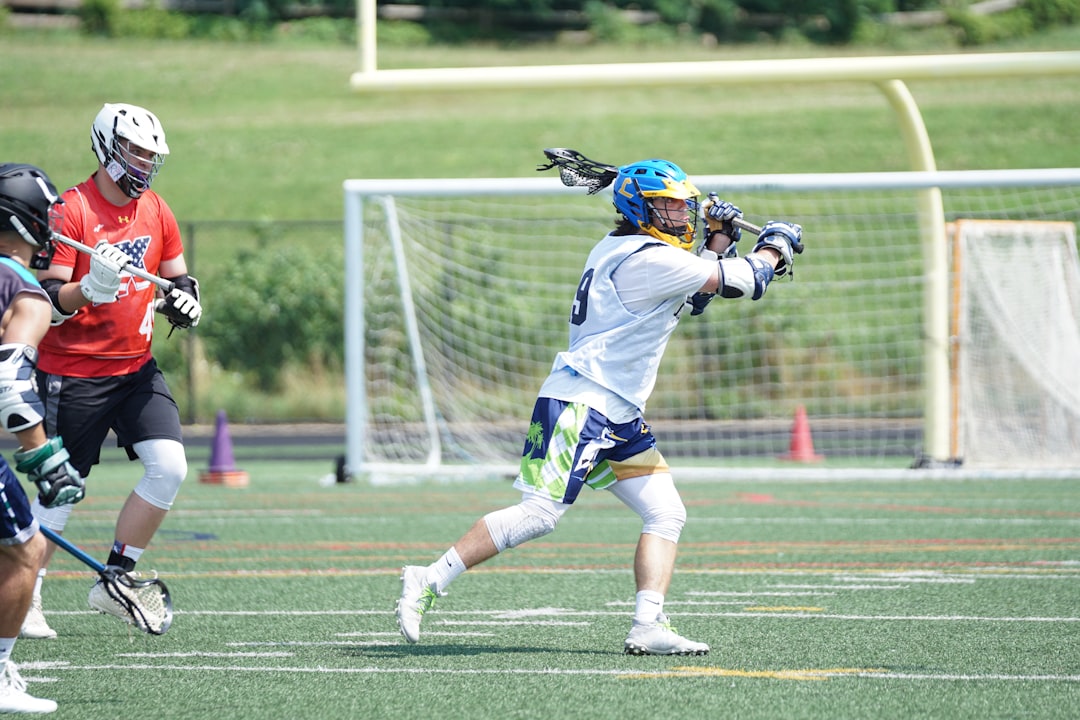
Image note: Manufacturer product photography for this specific item is not available via our photo library. The featured image is representative lacrosse gear photography. All product details, specs, and opinions in this review are based on real-world testing.