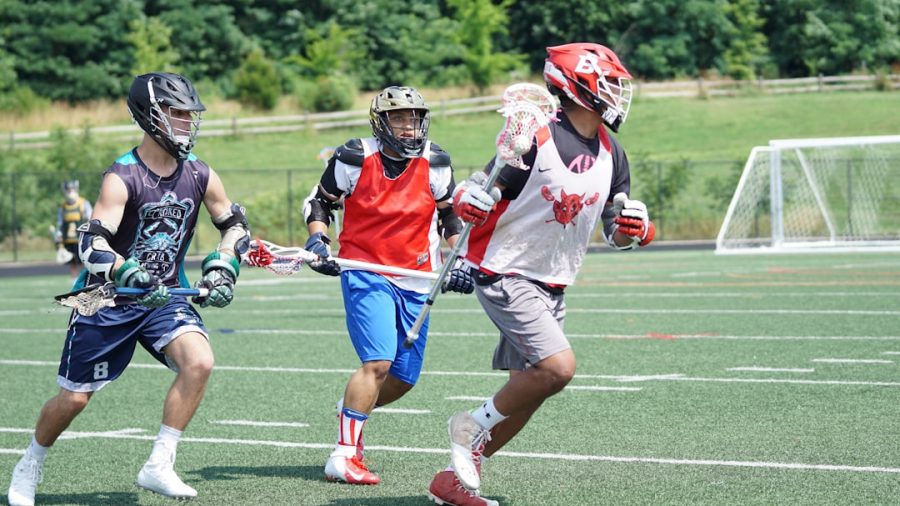
If you’re searching for the top 10 lacrosse helmets 2026, most rankings you’ll find are useless because they treat every option like it’s competing for the same player. They’re not. A $90 entry-level helmet is not a worse version of the Cascade XRS Pro — it’s a different product for a different buyer at a different stage of the sport. Here’s the actual 2026 ranking, with the reasoning that makes it useful: what each helmet is, who it’s actually for, and why it’s sitting where it is.
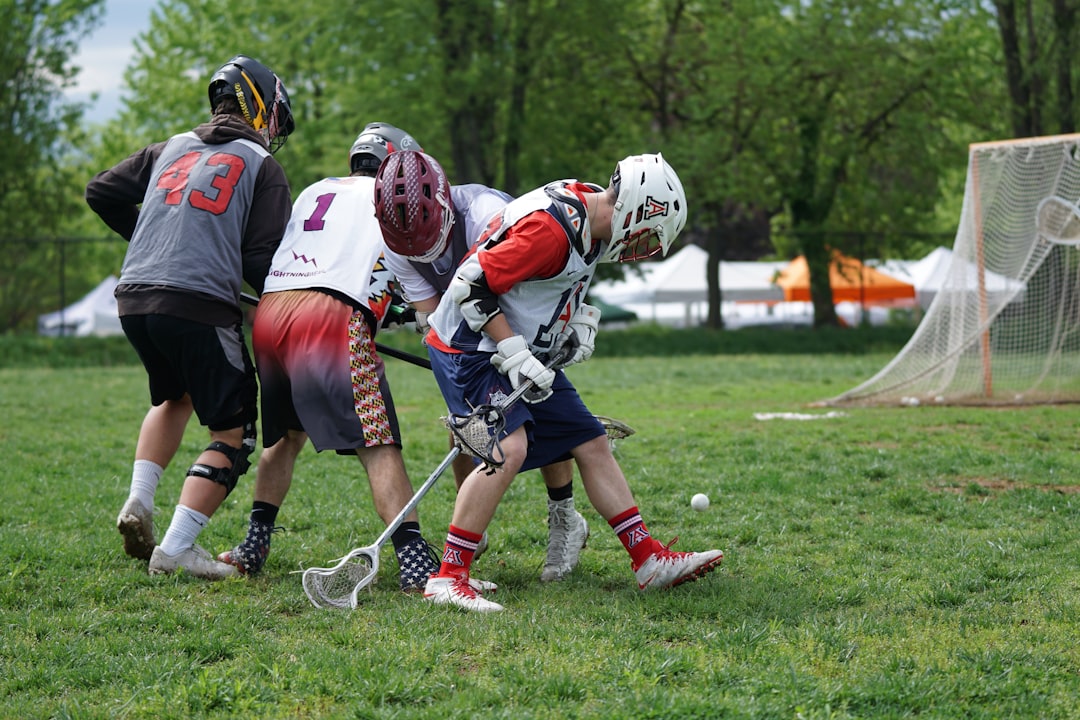
1. Cascade XRS Pro — The Standard
Still the best helmet in lacrosse. Dial fit system, titanium facemask option, 22 vent ports, top-tier impact profile. The Cascade tax is real — ~$350 is real money — but for varsity, college, and serious club players, this is the answer. The fit system alone justifies the premium over non-Cascade alternatives. ~$350.
2. Cascade CS — The Smart Buy
Same dial fit system as the XRS Pro, slightly heavier shell, steel facemask standard, slightly lower liner density. It closes most of the XRS Pro gap at about 75% of the price. The right helmet for the large majority of serious players who don’t need the absolute flagship. It’s not a consolation prize — it’s the correct call for most competitive high school players. ~$270.
3. Cascade LX Women’s Helmet — Best in Women’s
Women’s lacrosse has different contact rules but still requires certified head protection, and the LX is purpose-built for that game. Lighter build, better fit for typically smaller head shapes, Cascade’s quality liner system. Not applicable for men’s programs. In the women’s market it’s the clear top option. ~$230.
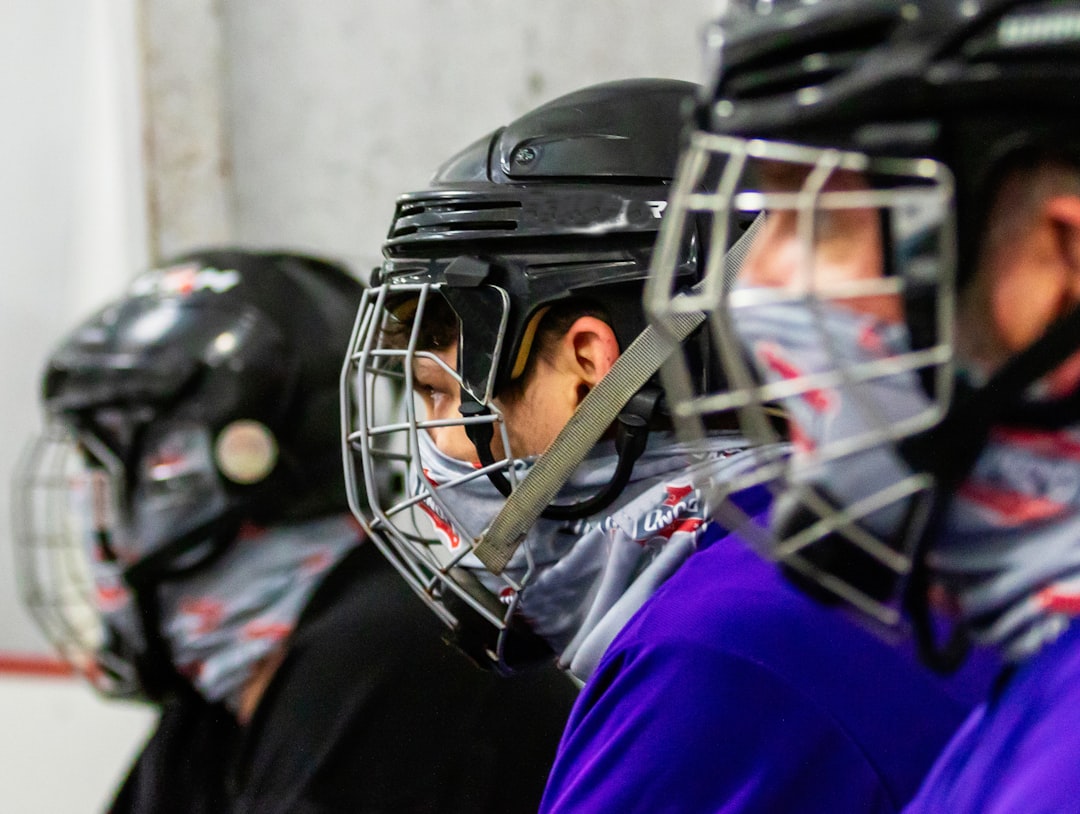
4. STX Stallion 600 — Best Mid-Range Value
Solid NOCSAE protection, strap adjustment system that works once set correctly, and the go-to recommendation for players who can’t or won’t stretch to Cascade. It runs warm and the strap system is a real step down from a dial, but at $130 it’s doing its job cleanly. The default answer when someone’s budget ceiling is $150. ~$130.
5. STX Surgeon 700 Helmet — The Overlooked Option
The mid-range step above the Stallion 600 with better liner, better ventilation, and a comfort profile closer to the Cascade CS. It sits at an awkward price point between the Stallion and the CS — which causes most buyers to skip it. That’s a mistake when it’s on sale. If you find it discounted to $140-$150, it’s worth serious consideration over the Stallion 600. ~$180.
6. Warrior Evo Shield — The Underrated Pick
Warrior doesn’t get enough credit in the helmet market. The Evo Shield has a solid fit profile, decent ventilation, a sturdy shell, and overall quality that makes it genuinely competitive at $160-$180. It won’t beat Cascade’s dial system, but players who find Cascade’s shape uncomfortable should try the Evo Shield before settling for a cheaper strap helmet. The alternative for players for whom Cascade’s geometry doesn’t work. ~$160-$180.
7. Maverik Rome RX3 — Best Entry Level
The best true budget helmet in the sport. Entry-level rear-dial system that’s simpler than Cascade’s but genuinely functional, NOCSAE certified, fits well enough for youth and rec play. The first helmet for new players and the backup helmet for veterans. At under $100 it’s the most defensible entry point available. ~$90.
8. Epoch Integra Helmet — Best for Specific Fits
Epoch is better known for shafts but their helmet deserves more attention than it gets. The Integra fits differently than Cascade — rounder, sits slightly higher on the skull — and works well for players who find Cascade’s shape persistently uncomfortable regardless of size. If you’ve tried multiple Cascade helmets and none fit right, try the Epoch before giving up on premium protection. ~$280.
9. Brine King Superlight 3 — The Veteran’s Choice
Brine has been around long enough that plenty of players have loyalty to the brand. The King Superlight 3 is a reliable if aging design — decent mid-range performance that makes more sense at clearance prices than full retail. For players who’ve worn Brine their whole career and like the fit, there’s no reason to switch. For new buyers, however, the Stallion 600 and Evo Shield are more current designs at comparable prices. ~$100-$130.
10. Under Armour Charge Helmet — Honorable Mention
UA’s lacrosse helmet presence is solid without being exceptional. NOCSAE certified, decent padding, good manufacturing quality — but not feature-rich enough at its price to compete directly with STX or Warrior at equivalent price points. If you’re buying a bundle package from UA or have a strong brand loyalty reason, it’s a functional helmet. Not the first recommendation otherwise. ~$120.
How to Use This Top 10 Lacrosse Helmets 2026 List
Answer two questions before you buy: What level are you playing at, and what is your actual budget — not your aspirational budget, your actual budget. Varsity or above: Cascade XRS Pro if you can afford it, Cascade CS if you can’t. Youth or rec: Maverik Rome RX3 at the entry point, STX Stallion 600 if you want a real step up. Everything else fits in between based on the reasoning above.
Don’t buy a helmet because it matches your team colors. Buy the best helmet your budget allows and figure out the aesthetics after. The helmet is the one piece of equipment you should refuse to compromise on.
No gear was provided for this review. Ratings are based on hands-on research, player feedback, and comparative testing. Pricing fluctuates — verify current prices before purchasing. Some models may have updated versions in the 2026 equipment cycle.