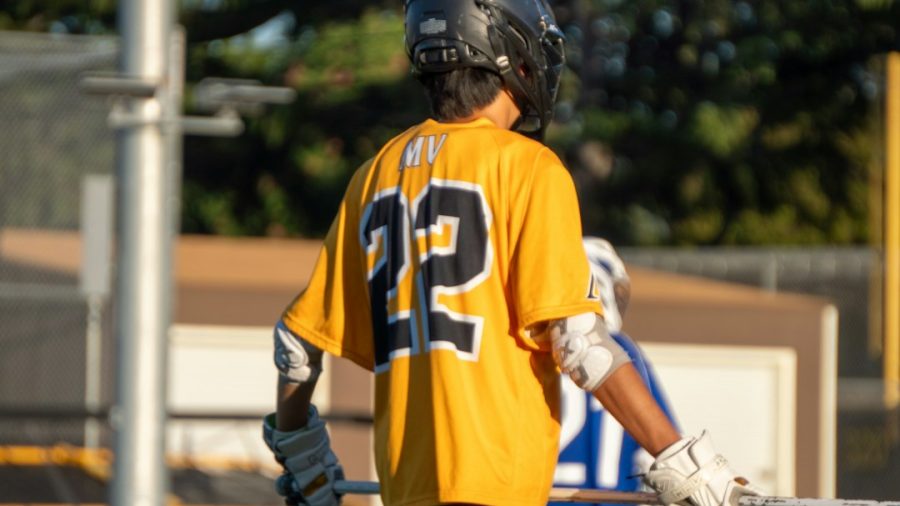
Every year, thousands of lacrosse players dream about playing at the Division I level. Most of them go about it wrong. They wait. They hope a coach magically finds their highlight video on YouTube. They show up to a camp at the right school and assume that’s enough. It isn’t.
D1 lacrosse recruiting is competitive, early, and increasingly relationship-driven. If you’re not being intentional about the process, you’re falling behind players who are. Here’s how it actually works — and how to give yourself a real shot.
Understand the Timeline
This is the single most important thing most families miss: D1 recruiting happens early. For men’s lacrosse, serious contact between coaches and recruits typically ramps up in the sophomore year of high school, with many top players making verbal commitments by the end of sophomore or start of junior year. For women’s lacrosse, it can be even earlier.
The NCAA has rules governing when coaches can initiate contact, but recruits can reach out to coaches at any time. Don’t wait for coaches to come to you. By the time they’re calling you without prompting, you’re either a blue-chip recruit or you’ve already been passed over by the schools you really wanted.
A rough timeline to work from:
- Freshman year: Build your game, compete at the club level, start identifying target schools.
- Sophomore year: Create your highlight film, begin reaching out to coaches, attend prospect days and camps at target schools.
- Junior year: Official and unofficial visits, scholarship conversations, verbal commitments.
- Senior year: Sign National Letter of Intent (NLI) in November signing period (or later for schools that don’t offer athletic aid).
Build a Highlight Film That Actually Works
Your highlight film is your first impression. Coaches watch hundreds of them. Yours needs to make them stop scrolling in the first 30 seconds or it’s already over.
Keep it between 3 and 5 minutes. Front-load your best plays — your absolute best clip goes first, not third. Coaches are not going to dig for your highlights. Put them on top.
What to include:
- Game footage only. Practice drills do not belong in a recruiting video.
- Full-field clips that show your movement, athleticism, and decision-making — not just highlight-reel dodges and goals.
- Defense if you’re a defender. Coaches want to see positioning, communication, and effort, not just the caused turnover.
- Goalie saves with context — don’t just show the spectacular ones, show saves that demonstrate footwork and technique.
What to cut: anything where you’re not clearly identifiable on film, any clip longer than 10 seconds where nothing impressive is happening, and any footage that makes the video drag. Edit ruthlessly.
Start the video with a title card: name, graduation year, position, jersey number, and club team. Coaches watch these on the road between recruiting events. Make their job easy.
Host it on YouTube (unlisted is fine) or Hudl. Both are standard. Link it everywhere.
Contacting Coaches — Do It Right
Cold emails to coaches work. Not always, not immediately — but they work if you do them correctly. Most players send garbage emails that coaches delete without reading. Don’t be most players.
Your first email should be short, specific, and confident. Three paragraphs max:
- Who you are: name, position, grad year, GPA, club team.
- Why this specific school: one or two genuine reasons — academics, program culture, conference, a specific coach’s background. Generic flattery reads as copy-paste.
- Your highlight film link and an offer to provide transcripts or additional footage.
Do not write an essay. Do not beg. Do not say “it would be a dream” or “I’ve always loved your program.” Coaches read this stuff all day. Be direct.
Follow up once every few weeks if you don’t hear back. Persistence matters. Coaches recruit players who want to be there — showing consistent, professional interest is itself a recruiting asset.
Prospect Days, Camps, and Unofficial Visits
If a school you’re serious about runs a prospect day or a position-specific camp, go. Full stop. These are not just skill development sessions — they’re tryouts. Coaches are evaluating you in person, watching how you compete, how you respond to coaching, and how you carry yourself between whistles.
Show up early. Be coachable. Talk to current players. Ask questions that show you’ve done your homework. The player who asks a coach about their offensive system is more memorable than the one who just rips great shots and leaves.
Unofficial visits (which you pay for) can happen at any time. Use them. Walk the campus, sit in on a practice if allowed, get a feel for the program’s culture. You’re going to spend four years there. Liking the place matters.
Official Visits and Making Your Decision
Official visits are paid for by the school and are typically reserved for players the program is seriously considering offering. You get five official visits total across all sports. Use them wisely — prioritize schools where you have a real offer or near-offer conversation in progress.
During an official visit, you’ll meet with coaches, spend time with current players, tour campus, and typically sit down with an academic advisor. Pay attention to how the team talks about their coaches when coaches aren’t around. That tells you more than anything on the official itinerary.
When an offer comes, you don’t have to decide immediately. But understand the landscape: offers can be conditional, roster spots are limited, and coaches move on to the next recruit. Get a clear sense of the timeline they’re working with and respond professionally.
The Academic Side Is Not Optional
D1 programs are not just evaluating your game. They are making a four-year investment in a student-athlete who has to stay eligible. If your grades are a problem, fix that before anything else. A 2.5 GPA and a great highlight film is a much harder sell than a 3.5 and a very good highlight film.
Take the SAT and ACT seriously. Some academic scholarships can stack with athletic aid at certain schools. And at the schools where athletic scholarships aren’t available (Ivies, NESCAC), your academic profile is the deciding factor.
Get Realistic About Your Level — Then Compete for the Best Version of It
Here’s the honest part: not every player who works hard is going to play D1. The level of competition, athleticism, and skill required is genuinely elite. The best thing a recruit can do is get an honest assessment from coaches, club directors, or scouts who have no financial stake in the answer.
If D1 is the right fit, pursue it hard. If it’s not, D2 and D3 lacrosse produce excellent players and offer real athletic and academic value. There’s no shame in finding the right level. The shame is in never honestly confronting the question.
But if you’ve got the game and the grades? Stop waiting for someone to find you. Start making noise.