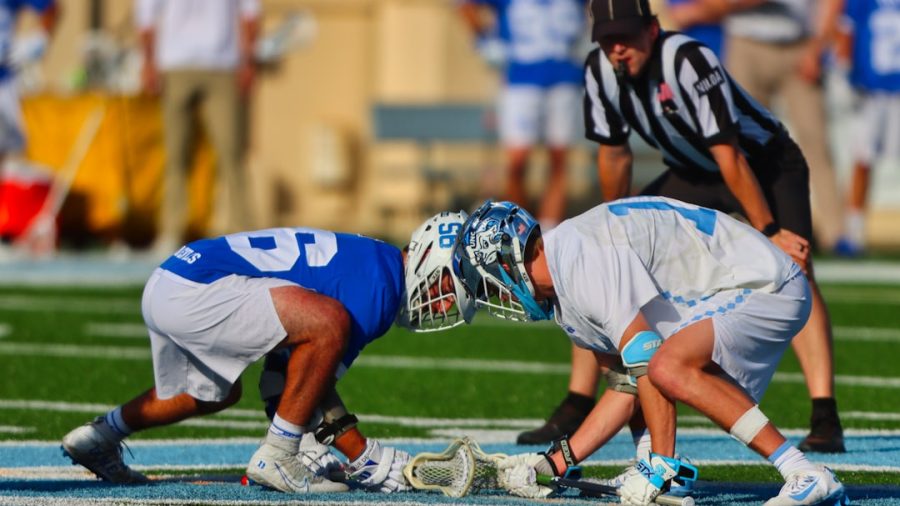
Most cleat guides give you a list of popular models and call it a day. That’s useless. Choosing lacrosse cleats by position is the only framework that actually matters. The cleats that make a dodgy attackman dangerous are the same cleats that’ll get a defenseman hurt. Position dictates everything: cut, weight, traction pattern, ankle support. Here’s how to actually shop for cleats based on where you play.
How We Ranked Lacrosse Cleats by Position
This guide is built around position-specific biomechanics: how each position moves on the field, what failure modes matter most, and what specs translate to real performance gains versus marketing noise. We’re not ranking specific models. We’re ranking lacrosse cleats by position so you can apply the criteria to whatever your budget allows.
Attack: You Need Speed, Full Stop
Attackmen live and die on first-step quickness and change of direction. When you think about lacrosse cleats by position, attack is the clearest case: your cleat choice should reflect your movement demands, not your favorite PLL player’s gear deal.
Low Cut is Non-Negotiable
High-cut cleats on an attackman are a tax on your ankle mobility. You need full range of motion to plant, cut, and drive — a mid or high cut restricts that. Low cut only. If your ankle isn’t strong enough for a low cut, that’s a training problem, not a cleat problem.
Prioritize: Lightweight Construction, Tight Fit, Aggressive Toe Cleats
You want the lightest option in your budget, a snug fit that eliminates slop in lateral cuts, and a cleat pattern that bites hard off the toe. Look for TPU outsoles with a prominent toe cleat — that’s where you’re generating drive. Synthetic uppers in the $80–$140 range hit the sweet spot. Carbon fiber plates exist in the $150+ tier and are worth it if you play at a high level.
Not For You: Bulky ankle collars, extra cushioning, wide toe boxes
Cushioning adds weight and reduces ground feel. A wide toe box means your foot is swimming on cuts. Skip both.
Defense: You’re Built Different, Your Cleats Should Be Too
Defensemen aren’t trying to run past people — they’re anchoring, shuffling, absorbing contact, and playing through a full game without getting beat on a back cut. Different demands entirely.
Mid or High Cut for Ankle Support
You’re getting pushed, reaching, and playing through traffic. A mid-cut gives you meaningful ankle support without fully sacrificing mobility. High-cut is worth considering for true anchor defensemen who prioritize stability over footspeed. You’re not winning a foot race anyway — play to your strengths.
Prioritize: Durability, Wide Cleat Base, Lateral Support
Defense burns through cleats faster than any other position — you’re dragging your feet in the crease, getting stepped on, playing in mud. Invest in a durable outsole. A wider cleat base gives you a stable platform when you’re backing down an attackman. Look for reinforced uppers and a cleat pattern that supports lateral push rather than pure forward drive. Budget $90–$160 for something that’ll last a season.
Not For You: Ultra-light racing cleats, minimalist outsoles
Those will fall apart by mid-season and leave you buying twice. False economy.
Midfield: The Position That Actually Needs Everything
Midfielders run the most ground of any position. You’re sprinting, dodging, riding, playing defense, and doing it all again 30 seconds later. There’s no single right answer here, which is why midfies get paralyzed in the cleat aisle.
Mid-Cut is Your Default
Low cut if you’re a specialist dodger who functions more like an attackman. Mid-cut if you’re playing both ends with any regularity. High cut only if you’ve had ankle injuries and your trainer agrees.
Prioritize: Balanced Weight, Breathability, Versatile Traction
You need a cleat that performs adequately at everything rather than excelling at one thing. Breathability matters because you’re logging more minutes than anyone. Look for a cleat with a mixed traction pattern — some toe bite for acceleration, some heel stability for stopping. The $100–$150 range is the sweet spot. Fit matters most at this tier: try them on, jog in them, cut in them before you buy.
The Honest Take
Most midfielders overthink this. A well-fitting mid-cut cleat from a reputable brand in your budget will serve you. Stop optimizing and start playing.
Goalie: The Most Overlooked Position in Cleat Selection
Goalies don’t get enough credit for how athletically demanding their footwork is. You’re not running — you’re pivoting, dropping into splits, shuffling laterally, and exploding out of a set position. That’s a completely different movement profile from everyone else on the field.
Low or Mid-Cut, Built for Pivot Mechanics
You need ankle mobility for drops and saves, but lateral support for shuffles. Mid-cut is generally the right call. More importantly: look for a flat, wide outsole that gives you a stable pivot point. A narrow outsole makes your drops unpredictable. Wide platform = better drops.
Prioritize: Flat Outsole, Lateral Stability, Turf-Friendly Traction
Most game time for goalies involves the crease area, which takes a beating. If your program practices on turf frequently, seriously consider a turf shoe or multi-stud option rather than a traditional cleat. The grip difference in the crease is real. For grass, a low-profile stud pattern prevents you from getting stuck mid-movement. Budget range: $80–$130. You don’t need to spend elite money here.
Not For You: Heavy-duty defensive cleats, maximalist cushioning
You need to feel the ground. Thick cushioning kills proprioception in a position where feel matters as much as any other position on the field.
The Bottom Line
Attack: low cut, lightweight, aggressive toe cleat. Defense: mid or high cut, durable, wide base. Midfield: mid-cut, balanced, breathable. Goalie: mid-cut, flat outsole, lateral stability.
The whole point of choosing lacrosse cleats by position is avoiding the mistake of copying your favorite PLL player’s gear when you play a completely different role. The worst decision is buying attack cleats when you play defense. Going cheap across the board means replacing them twice a season. Know your position, know your movement, spend accordingly. Everything else is noise.