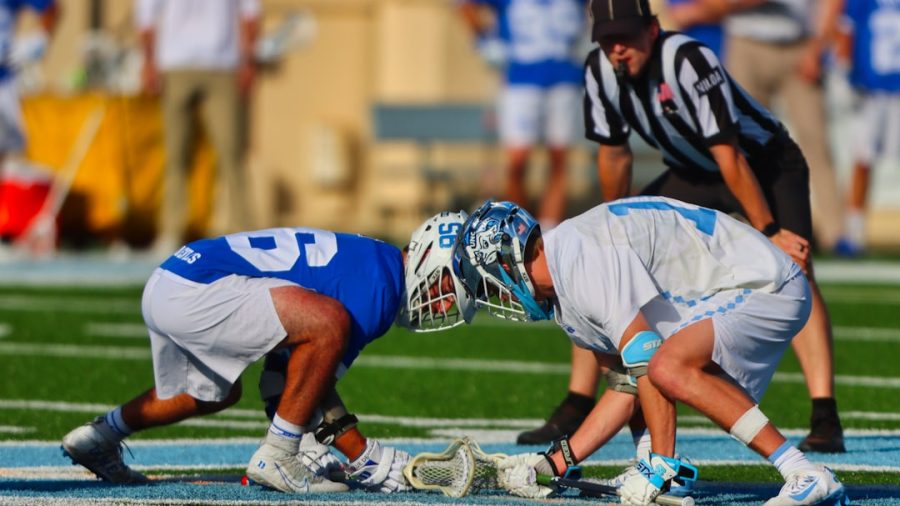
Let’s get something straight: D3 lacrosse culture doesn’t get the respect it deserves. While everyone obsesses over the top-ten D1 programs and which blue-chip recruit is committing to Syracuse or Maryland this week, one of the richest cultures in the sport is playing out on smaller campuses across the country — and almost nobody in the mainstream is paying attention.
That ends now.
The Athletes Who Actually Chose the Sport
Here’s the thing about D3 lacrosse that nobody talks about: every single player chose to be there. There are no full-ride scholarships dangling over their heads. Nobody is playing because a coach dangled a financial package that made it impossible to say no. These athletes picked their school, their program, and their sport on their own terms.
That changes everything about locker room culture. When you’re not playing for scholarship money, you’re playing because you love lacrosse. The guy who drives four hours to an away game on a Thursday night and has a chemistry exam Friday morning isn’t doing it for the recruitment ranking or the NIL deal. He’s doing it because the sport is part of who he is.
That kind of intrinsic motivation produces a quality of team culture that money genuinely cannot buy.
The Academic-Athlete Balance Is Real Here
D1 programs talk a big game about the student-athlete experience. Indeed, D3 programs actually deliver it.
At schools like Salisbury, Wesleyan, Tufts, RIT, and Gettysburg, these athletes are navigating serious academic courseloads alongside full practice schedules. They’re not enrolled in gut majors to stay eligible. They’re pre-med students who also happen to run a two-man game better than half the attackmen you’ll see in D1.
The time management skills these players develop are extraordinary. When your practice ends at 6 PM, you have a group project due at midnight, and you have a film session in the morning — you either figure out how to function at a high level across multiple demands or you don’t survive the season. Most of them not only survive, they thrive. That’s not an accident. That’s a culture that actually prepares people for life after lacrosse.
Community Investment Nobody Is Talking About
Moreover, D3 programs are embedded in their communities in a way that D1 programs rarely manage. The student body actually shows up to watch. The coaches are faculty members who are invested in the institution beyond their win-loss record. Alumni connections run deep because the player pool is smaller and the bonds are tighter.
At Salisbury — the gold standard of D3 lacrosse culture — the program has built something that rivals any athletic tradition in the country. National championships stacked on top of each other, a coaching staff that recruits character as much as skill, and a fan base that treats lacrosse like the religion it should be. That’s not a fluke. That’s what sustained community investment looks like.
In fact, these aren’t consolation-prize programs. They’re communities at Stevens Institute, Cortland, York, and Goucher that chose to make lacrosse central to their identity, and the results show on the field and off it.
The Passion Behind D3 Lacrosse Culture
Watch a D3 championship game and then tell me these players don’t care. Go ahead. Watch a team that has grinded through a full academic year, balanced 18-credit semesters with a 20-game schedule, traveled on shoestring budgets, and made it to a national title game. Then tell me that’s lesser lacrosse.
The passion in D3 isn’t manufactured by the pressure of scholarship retention or draft positioning. It’s organic. It comes from a group of people who decided, without any financial coercion, that they wanted to spend four years competing at the highest level they could reach while getting the best education they could afford. That combination produces something genuinely special.
Stop Sleeping on D3
The lacrosse media — such as it is — consistently treats D3 as an afterthought. A footnote. A thing you cover when there’s nothing else happening in D1 or the PLL.
That’s a mistake. D3 lacrosse culture is where some of the sport’s best stories live. It’s where the game gets played closest to its pure form, by athletes who chose it completely and communities that embrace it fully.
The mainstream can keep chasing recruiting rankings and transfer portal drama. We’ll be over here paying attention to the programs that are doing it right.