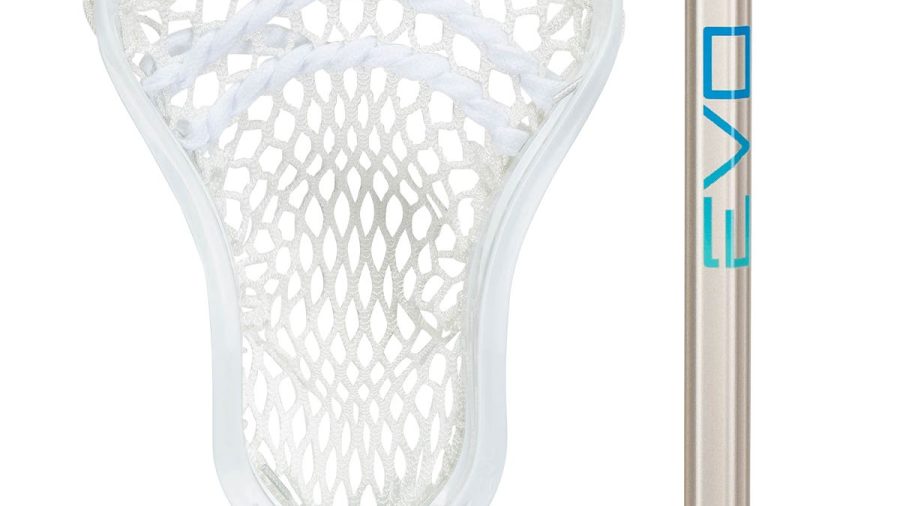
If you started with a complete stick and you’re wondering whether it’s time to upgrade from complete stick to a custom setup, here’s the honest answer: sometimes it is. Timing matters. Here’s when to act.
First, What a Complete Stick Actually Is
A complete stick is a pre-strung head mounted on a matching shaft, sold together, typically in the $30–$80 range. Manufacturers design them for beginners: forgiving pocket, durable plastic, shafts that won’t snap the first time someone checks you. They’re fine for learning the game. But they’re not built for players who have learned it.
The issue isn’t that complete sticks are junk. In fact, some brands put decent components together. The real problem is that the pocket is strung for mass production, not for your hands, your position, or your release point. And the shaft is usually the cheapest aluminum or entry-level composite in the lineup.
The Skill Indicators That Tell You It’s Time
Stop asking how long you’ve played. So ask what you can do.
You’re ready to upgrade from complete stick when you can consistently cradle under pressure and throw accurately in a game — not just warm-ups — over 15 yards. Your pocket should also be breaking down noticeably after a few weeks of real use. If you’re already adjusting your pocket with pliers and knowing which throws feel “off,” you understand your game well enough to build around a specific pocket shape.
If you’re still in your first season, or still getting reps just to feel comfortable holding the stick, don’t spend the money yet. The stick isn’t the problem.
Midfielders and attackmen who shoot regularly typically outgrow a complete stick faster. Defenders and goalies, however, have more tolerance — the demands on pocket precision are different. Complete-stick shafts are actually decent for defensive players who just need durability and a legal pocket.
When to Upgrade From Complete Stick: Priority Order
If budget is a constraint — and for most players it is — don’t try to replace everything at once. Instead, follow this priority order:
1. The Head
The head is where your pocket lives. A quality mid-range head in the $50–$80 range from STX, Maverik, Warrior, or ECD gives you a stiffer, more consistent channel. Anything that ships pre-strung on a $40 complete stick can’t compete. Get it restrung by someone who knows what they’re doing, or learn to string it yourself. The pocket strung to your specs will immediately feel different from anything off the shelf.
Attack players: look for a narrow face shape and good pinch for hold and quick release. Midfielders: something versatile with a mid-offset. Defenders: wide face for ground balls, don’t overthink it.
2. The Stringing
Seriously. A decent head with a bad pocket is still a bad stick. A budget head with a well-strung pocket beats an expensive head with a factory job. So if you’re spending money, spend $20–$30 on quality mesh — ECD Hero 3, StringKing Type 4, or similar. Either learn to string or find someone local who does it right. This is the highest-value upgrade per dollar in the entire sport.
3. The Shaft
Shafts matter less than people think, and more than manufacturers admit. If you’re playing youth or high school recreational ball, the shaft from your complete stick will hold up fine for a full season. When you’re ready to step up, composite shafts in the $40–$70 range offer meaningful weight reduction over aluminum. Full carbon shafts ($80–$150+) are for serious players who won’t snap them on a cheap check.
Don’t buy a premium shaft before you buy a quality head. Ever.
Budget Reality Check
Building a custom setup doesn’t have to cost $300. A used or sale head ($30–$50), good mesh ($20), and your existing shaft gets you most of the way there for under $75. That’s the move for players who know they’ve outgrown a complete stick but can’t drop $200 right now.
However, if you have $150–$200 to spend, get a quality head, quality mesh, and a mid-range composite shaft. That setup will last multiple seasons and play better than anything in the complete stick market at any price.
The Bottom Line
Upgrade when your skills have outpaced what a factory pocket can give you — not because you’ve been playing for a certain number of months. Start with the head and the stringing. The shaft comes last. And if you’re still figuring out the fundamentals, keep the complete stick, put in the reps, and save the money until the gear is genuinely the limiting factor.
The best gear in the world won’t fix a player who’s not ready for it. But for players who are ready, the difference between a dialed-in custom setup and a factory complete stick is real — felt on every pass, every shot, and every ground ball you scoop in traffic.