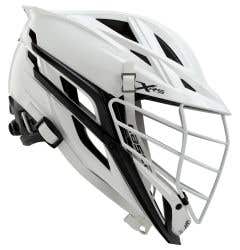
Most players pick up a head, feel how it sits in their hand, and move on. Offset? That’s for gear nerds and coaches who spend too much time on YouTube. Except it’s not — offset is one of the most underappreciated variables in how a head actually performs, and ignoring it means you’re probably leaving something on the field.
Here’s the breakdown: offset refers to how far the throat of the head is angled down from the handle. That angle determines where your pocket sits relative to your hands, which changes your release point, your hold on the ball, and how quickly you can get a shot or pass off. It’s not a gimmick. It’s geometry, and geometry doesn’t care about your opinion.
The Three Types of Offset
High Offset
High offset heads angle the throat significantly downward, dropping the pocket low and away from your hands. What that gives you: a deeper, more natural cradle feel, better protection against checks, and a release angle that works extremely well for outside shots and feeds. The ball exits lower, which is why attackmen have been running high offset for decades. If you’re an attack player who lives on the perimeter and needs to get a shot off against a closing defender, high offset is doing real work for you. It’s also forgiving for middies who haven’t built their top hand mechanics yet — the offset compensates by naturally locking the ball in.
Mid Offset
Mid offset is the compromise position, and in this case “compromise” isn’t an insult. It splits the difference between a low, pocket-forward feel and a tighter connection to your hands. You get decent hold, reasonable release flexibility, and a head that works across multiple contexts. Most all-around middies land here — you need to dodge, shoot, and occasionally play defense without swapping heads, and mid offset doesn’t force you into a corner. A lot of modern heads default to mid offset because it broadens the addressable market. That’s fine. It’s not exciting, but it works.
No Offset (or Low Offset)
No offset runs the throat straight inline with the handle, which pushes the pocket higher relative to your hands. The ball sits up, the feel is tighter and more connected, and the release is quicker and flatter. This is a defensive head’s natural habitat. LSMs and close defenders who need to clamp ground balls, body check without the head torquing, and throw quick outlet passes — they don’t want a deep, swooping pocket. They want the ball out of the head fast and cleanly. No offset also shows up in face-off heads, where shaft alignment and quick groundball clamping are prioritized over everything else. Some elite midfield dodgers who throw tight skip passes also gravitate here, but that’s position-specific preference more than rule.
What Offset Actually Changes on the Field
Pocket position is the obvious one. Higher offset = pocket rides lower and deeper. Lower offset = pocket sits higher and tighter. But the downstream effects are what matter:
Release angle: High offset produces a slightly higher exit trajectory on shots, which is exactly what you want when you’re releasing from outside and need the ball to stay elevated into the upper corner. Low offset flattens the angle, which is useful for hard, flat passes and shooting lanes that need to stay low.
Cradling feel: High offset is more forgiving. The pocket wraps the ball and your cradle rhythm is more natural. Low offset requires cleaner mechanics — the ball doesn’t have as much give, and a sloppy top hand gets punished faster.
Check resistance: More offset generally means more protection. The pocket is further from the impact point of a poke or slap check. Defenders can take advantage of that offensive vulnerability, but it also means offensive players benefit from a higher offset when getting physical on cage cuts.
Ground balls: Low or no offset wins here. The flat alignment helps you get the scoop under the ball cleanly, and the tighter pocket connection means less time between pickup and pass.
Who Should Care About This
Attack players: you probably want high offset unless you have a specific reason not to. The geometry supports your game.
Close defenders and LSMs: low or no offset. Don’t overthink it. The tools are built for how you play.
Middies: depends on what you’re doing. Mostly offensive? Lean mid to high. Defensive specialist? Go low. Pure utility player? Mid offset is an honest answer, not a cop-out.
Face-off guys: no offset, every time. The clamp mechanics depend on it.
Goalies: this doesn’t apply to you the same way. Move on.
The Bottom Line
Offset isn’t a marketing checkbox. It directly affects where your pocket lives, how the ball releases, and how fast you can get it out of your stick. You don’t need to be a gear obsessive to care about it — you just need to know your position and your game. Buy the offset that fits how you actually play, not the one that looks good in the product photos.