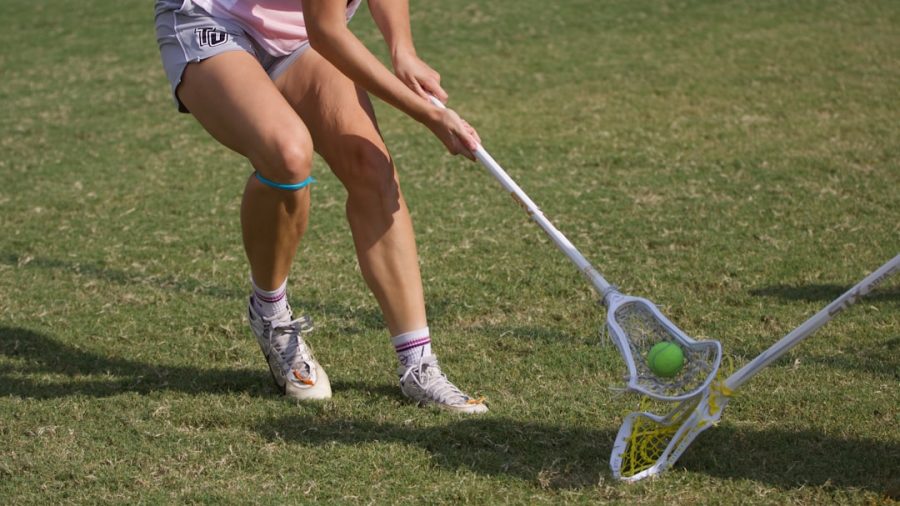
Women’s lacrosse heads are not interchangeable. The rules, the game, and the positions demand different tools — and picking the wrong head because it looked cool in a catalog is a real way to handicap your season before it starts. Here’s what’s actually worth buying in 2026, broken down by position.
How We Ranked These
We ranked based on performance in actual game conditions: ball control under pressure, release consistency, legal pocket depth for women’s play (the ball must be even with or above the bottom of the sidewall), and durability over a full season. Price matters too. A $200 head that performs the same as a $90 head is not a good head — it’s a marketing budget.
Attack Heads
Attack needs precision, quick release, and a pocket that won’t sail passes on a dodge. Women’s attack players live in tight windows — the head has to be an extension of their hands, not something they’re fighting against.
1. STX Crux 600
The gold standard for elite women’s attack, and it’s been that way for a reason. The Crux 600 ($149–$169) delivers a narrow face shape that channels the ball to the pocket fast on catches and lets skilled players place shots exactly where they intend. The offset design improves hold without pushing the pocket too deep for compliance. Best for advanced to elite players — high school varsity through college. If you’re playing at a high level and want one less variable, this is your head.
2. Maverik Axiom
The Axiom ($120–$140) is the head that earned its reputation by being annoyingly good for its price point. Slightly wider than the Crux 600, which helps developing attack players who aren’t yet picking up every skip pass cleanly. Still tight enough for elite-level play. The stringing channels are well-placed for consistent mesh setups. Attack players who throw a lot of feeds will appreciate how the wider face translates on cross-crease passes.
3. Epoch Optik Warp
The Optik Warp ($155–$175) is the attack head for players who want to feel every adjustment they make to their pocket. The material is stiffer than most without feeling brittle, which means the release is predictable in cold weather — a real issue in early spring seasons. More technical feel than forgiving, so this is not a beginner’s head. Ideal for upperclassmen attack players who string their own sticks and know exactly what they want.
Midfield Heads
Midfielders need a head that does two things well instead of one thing perfectly. It needs to handle ground balls and hold up in traffic, but also carry enough feel that they can finish at cage and run the offense when called on. The best midfield heads split this difference without compromising either end completely.
1. STX Exult Pro
The Exult Pro ($130–$150) is built for the two-way midfielder who runs all day and still needs to put a shot on cage late in the fourth. It’s slightly more forgiving face shape than attack-specific heads, which matters when you’re scooping a ground ball under pressure and your form isn’t perfect. Durable enough for the physical grind of midfield without feeling like you’re playing with a shovel. High school through collegiate level.
2. Warrior Burn FX Zero
The Burn FX Zero ($115–$135) is the workhorse option for midfielders who want reliability over flash. It strings consistently, holds pocket depth legally across all conditions, and the throat design gives you a solid feel when carrying at speed. Not the flashiest name on this list, but midfielders who’ve used it tend to stay on it. Good for intermediate through advanced players who prioritize durability and value.
3. Brine Dynasty Warp
The Dynasty Warp ($100–$120) earns its spot as the best value midfield head on this list. For club and recreational players, or high school freshmen still figuring out their game, you’re not leaving performance on the table at this price. It checks the compliance box easily, strings reliably with standard mesh, and holds up through a season of regular use. Nobody is going to mistake it for a Crux, but nobody is going to take it away from a player who uses it well either.
Defense Heads
Defense heads are a different conversation entirely. You’re not asking for the most precise release — you’re asking for something that can take a hit, check hard, clear the ball under pressure, and survive 80 games without cracking. Width matters. Rigidity matters. Pretty much everything attack players care about drops a full tier in priority.
1. STX Fortress 600
The Fortress 600 ($139–$159) is the top defensive head in women’s lacrosse right now, and it’s not particularly close. The wide face and offset channel combine to make ground balls feel magnetic, and the structural rigidity means it holds shape after a season of physical checking. Defenders who’ve switched from other heads consistently report clearer ball on the clear — the wider pocket just picks up more. Elite high school through college level.
2. Maverik Kinetik
The Kinetik ($110–$130) is the defense head for players who are still developing their game but need equipment that won’t slow them down. The face is wide enough to handle the defensive requirements, the material is durable, and it strings up consistently. Good for middle school through JV-level defenders who need a real defensive head without the price tag of elite gear. Coaches running programs on equipment budgets should know this head.
3. Cascade Pro 7
The Pro 7 ($125–$145) splits the difference between defensive rigidity and midfield versatility, which makes it the right call for defensive midfielders — players who get asked to defend, clear, and occasionally do more. It’s not the first choice for a true defensive specialist who never crosses midfield, but for the hybrid role, it’s built for exactly this. Sturdy stringing channels, consistent face shape season over season.
The Bottom Line
If you’re an attack player at any serious level, the STX Crux 600 is the answer and has been for years. The Epoch Optik Warp is the move if you string your own stick and want more technical feel. For midfield, the Exult Pro is the default choice — it handles everything the position demands. Defenders who aren’t already on the Fortress 600 should get there. The wider face and structural integrity genuinely changes ground ball pickups at the defensive end.
Budget matter: the Brine Dynasty Warp and Maverik Kinetik are the legitimate value picks for club programs, younger players, and anyone who doesn’t need elite-level gear to compete at their current level. No shame in that — buying gear above your current skill level is just expensive and pointless.
Women’s lacrosse has gotten more serious about equipment in the past few years, and the heads at the top of this list reflect that. You’re not making do anymore — these are purpose-built tools for a position-specific game.