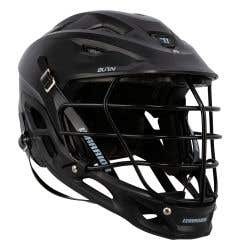
Your helmet is the one piece of gear that stands between your skull and a full-speed shot from thirty yards out. So when players ask how long a lacrosse helmet lasts, the answer matters more than it does for your shaft or your gloves. The short version: ten years from manufacture, and not a day more — no matter how good it looks on the outside.
The 10-Year Rule Explained
NOCSAE — the National Operating Committee on Standards for Athletic Equipment — sets the certification standards for lacrosse helmets in the United States. Every certified helmet has a manufacture date stamped on it, and once that helmet hits ten years old, it is no longer eligible for recertification and cannot legally be worn in NFHS or NCAA competition. Full stop.
That isn’t arbitrary. Helmet materials — the foam liners, the plastic shells, the padding — degrade over time whether you use the helmet or not. UV exposure, sweat, heat cycling from being left in cars and bags, and the general abuse of a lacrosse season all accelerate that breakdown. A ten-year-old helmet that “looks fine” may have foam that’s lost 30 percent of its energy absorption capability. You won’t see that from the outside.
The rule applies from the date of manufacture, not the date you bought it. Buy a new helmet that’s been sitting in a warehouse for two years and you’ve already burned two of your ten years before your first practice.
Recertification: What It Is and Why It Matters
Helmets can be recertified by NOCSAE-approved reconditioning companies before the ten-year mark — typically done annually or every other year, depending on program requirements. Recertification involves inspection, replacement of worn padding and hardware, and testing to confirm the helmet still meets impact standards. Most high school and college programs mandate recertification on a schedule.
If you’re a club player or rec lacrosse guy who bought your own lid five years ago and has never had it reconditioned, that’s a problem. The certification sticker doesn’t self-renew. A helmet that hasn’t been through a recertification cycle in several years may technically be within its ten-year window but still fail to meet current impact standards because of accumulated wear.
Recertification runs roughly $25–$45 per helmet depending on the shop. There is no good excuse to skip it.
Signs Your Helmet Needs to Go Now — Before the Decade Is Up
The ten-year rule is a ceiling, not a guarantee. A helmet can become unsafe well before that cutoff. Watch for these:
Shell cracks or fractures. Any crack in the outer shell means the helmet is done. Doesn’t matter if it’s small. A compromised shell will not distribute impact force the way it’s designed to. Pull it immediately.
Foam liner compression. Press your fingers into the interior padding. If it doesn’t spring back, the energy-absorbing foam has broken down. Flat foam is not protective foam. This is the most common failure mode on older helmets and the one players miss most often because they’re checking the outside.
Chin strap and hardware damage. A chin strap that won’t hold or buckles that don’t lock properly are a safety failure, not just an annoyance. Same goes for cracked or missing hardware on the facemask attachment points.
Significant fit changes. If a helmet that used to fit properly is now loose or sits differently on your head, the interior structure has likely broken down. Fit is not a comfort issue — it’s a safety issue. A loose helmet on impact moves independently of your head, which dramatically reduces its protection.
Unknown history. Buying a used helmet from a random source? Unless you can verify the manufacture date and recertification history, walk away. A helmet that’s taken a serious impact may look completely normal and be structurally compromised. You cannot assess impact history by looking at a helmet.
The Level Question: Who Should Buy New vs. Reconditioned
For youth players (high school and under): buy new, and buy a current model from a reputable brand. The Cascade XRS, Warrior Burn, and STX Rival are all solid entry-to-mid points depending on budget. Don’t put a kid in a handed-down helmet with questionable history.
For college and serious club players: if you’re competing at any level where you’re taking contact regularly, new or recently recertified within the last season. This isn’t the place to save $80.
For recreational adult players getting a few games in per year: a recertified helmet in good condition well within the ten-year window is reasonable. Just actually check the manufacture date before you assume it’s fine.
The Bottom Line
Ten years from manufacture. Recertify every one to two years. Replace immediately if you see shell damage, compressed foam, or hardware failure. Don’t buy used without documentation. These aren’t suggestions — they’re the floor of responsible gear management for a contact sport.
Your helmet is not the place to extract extra value out of old gear. The rest of your kit can age gracefully. Your helmet gets replaced on schedule, end of discussion.