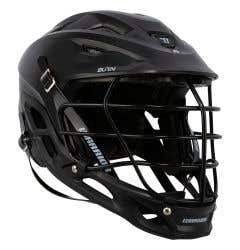
Women’s lacrosse helmet rules are different from men’s — and not in the way most people think. For years, women’s lacrosse didn’t require helmets at all. Now the landscape is shifting fast, and the gear catching up to the rule changes ranges from genuinely excellent to barely-meets-minimum. Here’s what’s actually worth strapping to your head.
The Certification Difference You Need to Know
Men’s lacrosse helmets meet NOCSAE ND041 standards — the full cage, full padding, high-velocity impact spec. Women’s helmets have historically only needed to meet ASTM F3137, a lower-energy standard designed around the reduced contact in the women’s game. As of 2024-25, most state associations and the NCAA require helmets for women’s field lacrosse at some level of play, but the certification requirement varies by governing body. Always verify what your specific league mandates before purchasing. Some programs are now requiring or recommending NOCSAE-certified options even for women’s play.
The practical takeaway: women’s helmets are lighter and less obstructive than men’s, but they’re not simply men’s helmets with a paint job. Fit, weight distribution, and visor or cage configuration are all built around the different demands of the women’s game.
How We Ranked These
Ranked on protection quality, fit for women’s head geometry, visibility, comfort for extended wear, and honest price-to-value. We’re not ranking by which brand has the biggest marketing budget. A helmet that doesn’t fit well is a liability regardless of the logo on it.
1. Cascade LX Women’s Helmet
Cascade built its reputation in men’s lacrosse and the LX carries that engineering credibility into women’s gear. The fit system accommodates a wider range of head shapes than most women’s-specific options, and the wraparound visor gives strong peripheral visibility without sacrificing frontal protection. Retails around $80–$100. This is the default recommendation for high school and college players who want a reliable, proven helmet without overpaying.
2. STX Stallion Women’s Helmet
STX put real thought into the visor geometry here — the sightlines are cleaner than the Cascade LX for players who hate feeling like they’re looking through a window frame. Padding is comfortable out of the box and holds up through a full season without compressing into nothing. Price point is similar to the Cascade, around $85–$95. The one knock: the fit runs slightly narrow, so if you’ve got a wider head, try before you buy. Best for intermediate-to-advanced players who prioritize vision over everything else.
3. Maverik Women’s Rome Helmet
The Rome is the budget-conscious pick that doesn’t embarrass itself. Meets ASTM F3137, fits reasonably well, and won’t fall apart after one season. At around $60–$70, it’s the right answer for youth players or programs that need to outfit a roster without blowing the equipment budget. Don’t expect premium padding or a dialed-in fit system — you’re getting functional protection at a fair price, which is exactly what it advertises.
4. Epoch Integra Women’s Helmet
Epoch is the brand that lacrosse players recommend to each other when they’re tired of everyone else. The Integra applies that same engineering-first philosophy to women’s headgear. The fit is excellent, the padding is genuinely comfortable, and the overall construction feels a tier above the price ($90–$110). The downside: availability can be spotty depending on your region and the time of year. If you can get your hands on one, it’s the best pure-value option on the market. If you can’t, the Cascade LX isn’t a painful fallback.
5. Warrior Evo Women’s Helmet
Warrior’s entry sits at the higher end of the women’s helmet price range at around $100–$120, and it earns most of that premium. The padding system is the best on this list for all-day comfort, which matters for tournament weekends and double-headers. The visor design is slightly more conservative than the Epoch or STX, but the trade-off is a more durable frame. Suited for serious club and college players who are logging heavy hours on the field.
Fit Differences From Men’s Helmets
Don’t hand a women’s player a men’s helmet and call it a day. Women’s helmets are engineered with different interior padding geometry, a lower-profile shell, and visor configurations designed for the women’s game — where stick-to-head contact happens differently than in the box or men’s field game. Men’s helmets are also heavier and more restrictive in ways that genuinely affect vision and comfort over the course of a game. The weight difference is real enough that players who’ve worn both notice it immediately. The women’s game is fast and requires full field awareness — gear that limits your sightlines costs you on the field.
The Bottom Line
High school and college players who need one helmet to do everything: start with the Cascade LX. Players who prioritize vision: look at the STX Stallion or Epoch Integra. Programs buying in bulk for youth rosters: the Maverik Rome is the move. Serious club players who want maximum comfort for tournament play and don’t mind paying for it: the Warrior Evo earns its price.
Whatever you buy, verify it meets your league’s specific certification requirement before the season starts. The rules are still catching up to the mandate, and the last thing you want is a helmet that clears ASTM but doesn’t satisfy your state’s updated requirements. Check the sticker, confirm with your AD, and actually wear the thing a few times before game day — a helmet that fits poorly is worse than no helmet in terms of your ability to play your best.