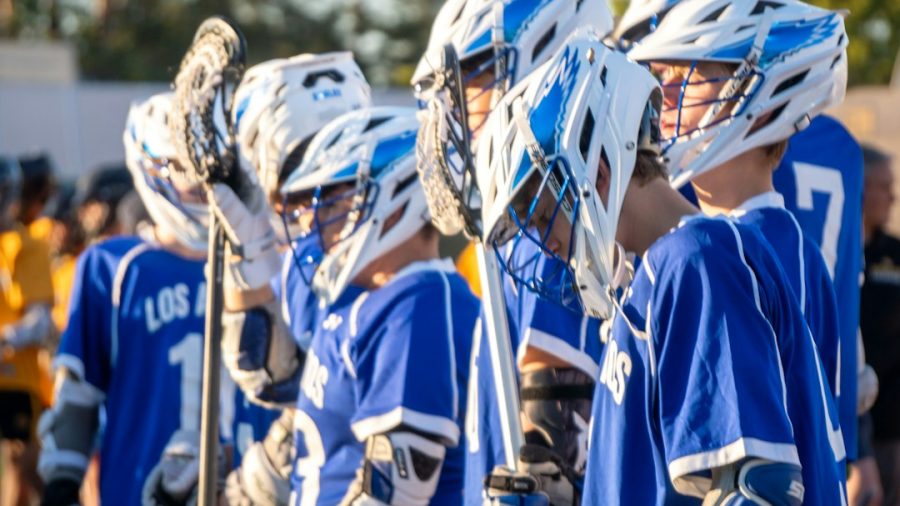
Your kid wants to play lacrosse. Great sport, great decision. Now you’re standing in a sporting goods store — or deep in an Amazon rabbit hole — staring at helmets that range from $60 to $300 and you have no idea what separates them. This guide exists to end that confusion.
Youth helmets are not adult helmets scaled down. The fit requirements are different, the certification standards matter more, and the brands that dominate the adult market don’t always translate to the best options for younger players. Here’s what you actually need to know.
Safety Certifications: Non-Negotiable Before Price
Before you look at anything else, check the NOCSAE (National Operating Committee on Standards for Athletic Equipment) certification stamp. Every helmet sold for organized youth lacrosse must meet NOCSAE ND041 standards. If a helmet doesn’t have it, it’s not legal for play and it’s not safe — full stop. All helmets on this list carry that certification.
Beyond NOCSAE, look for ASTM F3137 compliance, which governs field player helmets specifically. Some helmets go further with additional impact testing. That extra testing costs money, which is part of why the better helmets cost more.
Fit: Where Most Parents Go Wrong
A helmet that doesn’t fit correctly is worse than no helmet — it creates a false sense of protection while leaving a kid exposed. Youth helmets generally come in size ranges based on head circumference, not age. Measure your kid’s head with a soft tape measure at the widest point, typically about an inch above the eyebrows. Don’t guess.
Once on, the helmet should sit level on the head, two finger-widths above the eyebrows. It should not rock forward, backward, or side to side when you try to move it. The chin strap should be snug — one finger fit underneath, not two. If the helmet shifts when strapped, it’s the wrong size.
How We Ranked These
These rankings are based on safety certification, fit system quality, visibility and ventilation for youth players, durability relative to price, and real-world feedback from parents and coaches. We’re not ranking based on what looks cool or which brand spends more on marketing. Price matters — we’ve noted the realistic street price for each, not the MSRP fantasy.
1. Cascade CS Youth
The CS Youth is the benchmark. Cascade has been the dominant force in lacrosse helmets for a reason — they build helmets that actually fit youth head shapes, not just smaller adult shells. The fit system uses a tool-free adjustment dial that parents can resize as kids grow, which matters when you’re buying for a 10-year-old who might grow two hat sizes in two years. Street price runs $180–$220, which is real money, but this helmet grows with your kid and holds up to serious use. For competitive youth players (U13 and up) who are playing regularly, this is the buy.
2. Warrior Burn Youth
Warrior’s Burn Youth is the legitimate challenger at a slightly lower price point — typically $150–$185. The ventilation on this helmet is noticeably better than most in the youth category, which matters for kids playing in summer heat. The fit system isn’t quite as intuitive as the Cascade dial, but it gets to the same place with a little more effort. This is the helmet for the parent who wants top-tier protection without paying Cascade’s premium. Also the better choice for kids with wider head profiles — Warrior tends to run slightly wider at the crown.
3. STX Stallion 500 Youth
STX doesn’t get enough credit in the youth helmet conversation. The Stallion 500 Youth hits the $120–$150 range, making it the most accessible quality option on this list. It’s not cutting corners on NOCSAE compliance, and the visibility through the facemask is actually excellent — important for younger players still developing their field awareness. The padding does compress faster than the Cascade or Warrior options over a full season of heavy use, so factor in a potential replacement at year two if your kid is playing at a high volume. For recreational leagues, travel teams, and first-year players, this is the value play.
4. Brine Triumph Youth
The Triumph Youth sits in the $90–$120 range and is the entry-level option we can actually recommend. It meets all the certifications, the fit works for most standard youth head shapes, and it’s the right choice for the parent who isn’t sure if their kid is going to stick with the sport past one season. The interior padding is basic — not bad, just basic — and the adjustment system requires tools, which is inconvenient. If your kid loves the game and wants to play three seasons from now, upgrade. But for the first year of recreational play, this gets the job done without a $200 gamble.
5. Riddell Foundation Youth
Riddell is a football brand that crosses over into lacrosse, and the Foundation Youth shows both the upside and downside of that. The upside: Riddell knows impact engineering and this helmet handles hard checks better than you’d expect at the $100–$130 price point. The downside: it’s heavier than purpose-built lacrosse helmets, and the ventilation reflects football sensibilities — adequate rather than optimized. For bigger, more physical youth players whose game involves contact, this is worth a look. For smaller kids or those focused on speed and agility, the weight will feel like a liability.
What to Avoid
Generic helmets from no-name brands selling under $70 on Amazon. Yes, some claim NOCSAE certification. Some of those claims are real, some are not, and the ones that are real are often based on testing that barely cleared the minimum threshold. The savings aren’t worth the risk. Lacrosse is a full-contact sport at the youth level — this is not where you hunt for a deal.
Also avoid buying used helmets unless you can verify the impact history. A helmet that’s absorbed a significant impact can look completely fine while offering substantially degraded protection. New or known-history only.
The Bottom Line
Serious competitive player (U13+, travel or elite rec): Cascade CS Youth. Don’t overthink it.
Regular recreational player or strong value buy: Warrior Burn Youth or STX Stallion 500 Youth depending on your budget and your kid’s head shape.
First year, not sure if they’ll stick with it: Brine Triumph Youth. Certified, functional, under $120. Upgrade when you know they’re in it for real.
Bigger physical kid who takes contact: Give the Riddell Foundation Youth a serious look before defaulting to the lacrosse-native brands.
The helmet is the one piece of gear you do not want to get wrong. Everything else — sticks, gloves, cleats — can be upgraded incrementally as your kid develops. The helmet protects their head on day one. Buy the best one you can afford from this list and get the fit right, and you’ve done your job.