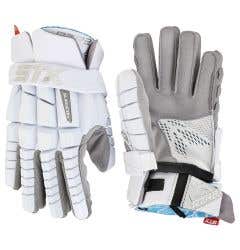
If you’re shopping for youth lacrosse arm guards and don’t know where to start, you’re in the right place. Your kid is stepping onto the field for the first time — or maybe the hundredth — and you’re staring at a wall of options trying to figure out what actually matters. Here’s the truth: most youth lacrosse arm guards do the job. The real question is whether you’re buying the right protection level for your kid’s age, position, and how serious they are about the game.
This guide cuts through the marketing noise and tells you exactly what to look for, which brands hold up, and how much you should actually spend.
How We Ranked These
We evaluated youth lacrosse arm guards on four criteria: protection coverage, durability after a full season of abuse, fit across the typical youth size range (ages 6–14), and honest price-to-value ratio. Additionally, we weighted protection and fit most heavily because an arm guard that slides around or leaves the elbow exposed is worse than no arm guard at all.
How Much Protection Do Youth Lacrosse Arm Guards Need to Provide?
For players under 10, contact is limited and the bigger risk is incidental stick checks and ground contact. For those kids, a lightweight, flexible guard with basic padding at the elbow is sufficient. Once players hit the 10-14 range — where checking starts getting real — you want full-arm guards with hard elbow caps, not the thin sleeves that are more fashion than function.
Position matters too. Middies and attackmen take more stick checks than goalies, who mostly need the protection during cage clearing and defensive scrambles. Don’t over-buy for a goalie; don’t cheap out on a midfielder.
Sizing: The Part Parents Get Wrong Most Often
The number one mistake is buying “room to grow.” Arm guards that are too big slide down on every sprint and leave gaps at the elbow — the exact spot that gets hit. Measure from mid-bicep to mid-forearm and match to the brand’s size chart, not age. Kids the same age can be two full sizes apart. If you’re buying online, look for guards with adjustable straps at both the top and bottom of the guard.
The Rankings
These are the top five youth lacrosse arm guards worth your money, ranked for players ages 6–14.
1. Maverik Rome Arm Guard
The Rome is the standard for a reason. Hard elbow cap, dual-density foam throughout the arm, and adjustable velcro straps that actually hold position through full-game movement. Available in youth sizing starting around $40. This is the right call for any player ages 10 and up who’s playing competitive rec or travel ball. Durable enough to last two seasons with normal use.
2. STX Cell 6 Arm Guard
STX built this one to move. The Cell 6 has a lower profile than the Rome, which makes it popular with kids who complain that arm guards feel bulky. The elbow protection is solid — hard cap backed by dense foam — and the fit system is excellent. Runs $45–$55 in youth sizes. Best for athletic middies and attackmen who prioritize mobility. Not the pick if your kid is going to be in the middle of physical pile-ups regularly.
3. Warrior Evo Pro Arm Guard
Heavy-duty protection at a reasonable price. The Evo Pro covers more of the forearm than most youth options, which matters for defenders and anyone playing in a league that still lets older kids check. $35–$45 depending on size. The tradeoff is slightly more bulk, but for kids playing defense or in physical leagues, that’s the right call. Still, this guard holds up well — it will outlast a season of serious use.
4. Cascade R Arm Guard
Cascade makes excellent helmets and their arm guards are solid entry-level options for younger players (ages 6–10) where light contact is the norm. Lighter padding profile than the top three, which makes them comfortable and easy for smaller kids to wear all day. $25–$30. This is the right buy for a first-year player whose parents aren’t sure how long the lacrosse phase is going to last.
5. Brine LoPro Arm Guard
Budget pick. Brine’s LoPro does the minimum required — covers the arm, has an elbow cap, stays on. If you’re buying gear for a kid who’s trying lacrosse for the first time in a low-contact spring league, $20–$25 gets the job done. Don’t buy this for a competitive travel player. They will outgrow it functionally before they outgrow it physically.
The Bottom Line
For beginners under 10: Cascade R or Brine LoPro. Still light, affordable, and sufficient protection for the contact level they’ll actually see.
For competitive youth players (ages 10–14): Maverik Rome or Warrior Evo Pro. Overall, the Rome is the best all-around option. The Evo Pro is better for defenders and physical leagues. Spend the $40–$50 — these guards will last.
For the mobility-focused attackman who hates feeling like he’s wearing furniture: STX Cell 6. Better range of motion, still adequate protection.
One final note: check league requirements before buying. Some youth leagues mandate specific coverage minimums for youth lacrosse arm guards. A quick email to your coach before purchasing can save you from returning gear or buying twice.