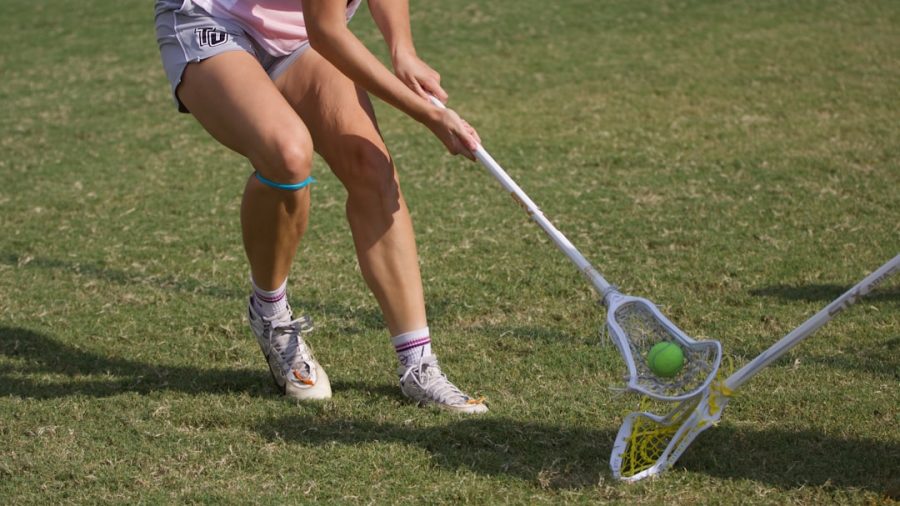
Four programs made it to the Final Four of the 2026 NCAA D1 Women’s Lacrosse Tournament. This women’s NCAA lacrosse Final Four analysis comes down to one thing: it wasn’t luck, scheduling, or a hot goalie on the right weekend. It was systematic, repeatable execution across three areas: draw control, defensive efficiency, and game-closing composure.
Here’s what actually separated the programs that were still playing in late May.
Draw Control Wasn’t a Skill — It Was a System
Every program that reached the Final Four treated the draw circle as a possession engine, not a coin flip. The teams that got bounced early were still treating draws as a 50/50 battle and hoping their athlete won. The Final Four programs showed up with schemes — wing positioning, attack-side alignments, secondary pursuit routes. Those schemes turned their draw specialist into the setup act for a system that converted possession into shots.
When you watch the film on the elite programs this season, what stands out isn’t just that they won draw controls at a higher rate. It’s that they converted those possessions into shots on cage at a dramatically higher clip than the rest of the field. Draw control without transition attack is wasted. The Final Four understood this. Their opponents, often, did not.
The programs that went home early? Their draw game was reactive. They responded to what the other team did. The Final Four programs dictated terms in the circle before the ref even put the ball on the stick.
Defensive Efficiency: Fewer Fouls, More Pressure
Here’s an uncomfortable truth about women’s lacrosse that the mainstream outlets won’t say plainly: a lot of programs defend with their flags, not their feet. They foul, they bail the offense out of bad decisions, and then they wonder why they’re giving up free positions in the fourth quarter.
The Final Four programs defended with positioning and recovery speed. Their defenders stayed disciplined in the 8-meter, which meant opposing offenses were forced to earn looks from distance or manufacture angles that weren’t there. The free position count against these programs across the tournament was notably lower than the field. That’s not a coincidence — that’s coaching and repetition.
Good defensive efficiency in women’s lacrosse is also about goalie-to-defense communication. The programs left standing in late May had goalies who directed traffic, not just made saves. That changes everything about how a defense functions as a unit versus five individuals trying to remember their assignments.
The Execution Gap in Clutch Moments
Composure in execution — not talent, not athleticism, not rankings — separated these programs from everyone else in tight games. When the game was within two goals in the fourth quarter, the Final Four programs ran their sets. They didn’t abandon structure for hero ball. They trusted the work they’d put in and executed.
The programs that fell short in close games? You could watch them tighten up. Passing got rushed. Cutters stopped cutting on time. The off-ball movement that creates spacing disappeared. That’s not a personnel problem — that’s a program culture problem. Building the mental infrastructure to execute under pressure is a coaching job, and the Final Four coaches did it better than everyone else.
What the Final Four Ran That Everyone Else Didn’t
The pattern across all four Final Four programs was continuity. Not just on the field — in the staff, in the system, in the terminology and culture that makes a program hard to beat instead of just talented. Programs that reload every year with five-star recruits and a new offensive coordinator aren’t building anything. They’re assembling.
The programs that made it to the end were built. Their players knew exactly what to do in every situation because they’d been in those situations a hundred times in practice. That’s not a romantic notion — it’s the concrete explanation for why some programs keep showing up in late May and others keep going home early.
Women’s NCAA Lacrosse Final Four Analysis: The Takeaway
The 2026 tournament wasn’t decided by who had the best individual player or the most loaded recruiting class. Draw systems, disciplined defense, and the mental execution to close games — those were the deciding factors in any complete women’s NCAA lacrosse Final Four analysis.
If your program is trying to close the gap on these teams, start there. Everything else is noise.