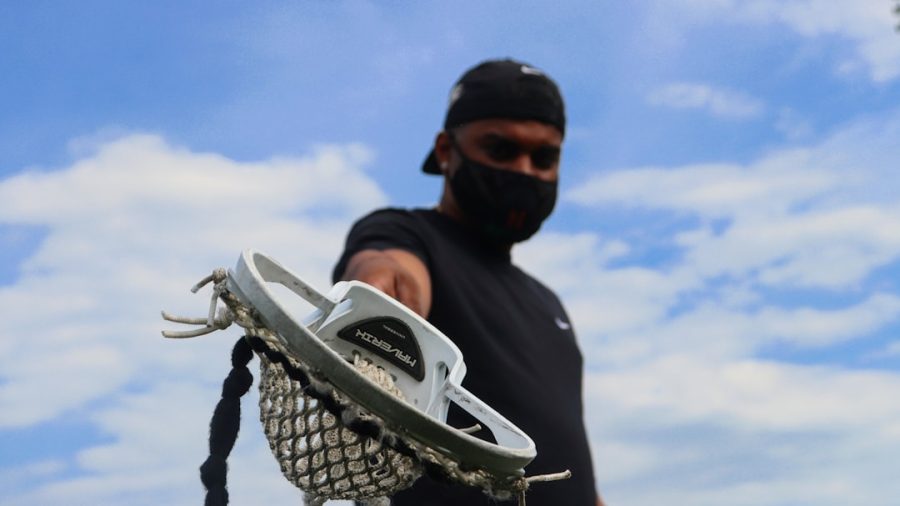
Most developing lacrosse goalies are playing in gear they inherited, borrowed, or bought because it was the cheapest option at the shop. That’s fine — you get in the cage with what you’ve got. But at some point, the gear stops being neutral and starts actively holding you back. That’s when the goalie equipment upgrade lacrosse players keep putting off becomes unavoidable. The question isn’t whether to act. It’s what to tackle first when the budget doesn’t cover everything at once.
Here’s the answer: the stick. Not the chest protector. Not the helmet. The stick. And after that, there’s a logical order to the rest of it. This guide is built for players at the high school level and up who are serious about developing — not for someone who plays rec league twice a month.
How We Ranked These Lacrosse Goalie Equipment Upgrades
Every goalie equipment upgrade lacrosse players face should be ranked by impact on performance first, value per dollar second. This isn’t about what’s flashiest or what the pros use in marketing photos. It’s about what actually changes how you play when you’re on a budget. Each tier assumes you already have the previous one covered.
1. Goalie Shaft — First Upgrade, No Debate
Your stick is your tool. A cheap aluminum shaft with a worn-out mesh is the single biggest limiter on a developing goalie’s game. It kills feel, kills confidence in clears, and makes every save feel like a guess. A quality composite shaft in the $60–$100 range (StringKing Metal 3 Pro or Epoch Dragonfly Gen 8 are both worth the look) paired with a fresh string job changes everything immediately. You’ll feel the difference on your first clear. This is the goalie equipment upgrade lacrosse players get the most return from — biggest impact, smallest investment, full stop.
2. Goalie Head — Upgrade When Your Current One Is Warping or Undersized
A warped or undersized head is a silent killer. You don’t notice how much it’s costing you until you pick up something better. The STX Eclipse 3 ($80–$100 retail) is the standard bearer for a reason — it has the pocket placement and sidewall structure that actually rewards good technique. The Warrior Nemesis is another legitimate option in the same range. Don’t overspend here on a top-tier head if you’re still figuring out your pocket preference. Mid-range is the move until you know exactly what you want.
3. Chest Protector — Third, Not First
Coaches will tell you the chest protector is the most important piece. They’re not wrong about protection, but they’re wrong about priorities here. A mediocre chest protector doesn’t change how you move or how you clear. A great one does — but only once you’ve already got the footwork and positioning down. When you do pull the trigger, the Brine Eraser and Warrior Nemesis chest protectors are the best value in the $120–$180 range. The STX Shield is the premium option at $200+ and is legitimately worth it for competitive high school and college players who are playing every weekend.
4. Helmet — Only If Yours Is Expired or Damaged
Helmets have certification expiration dates. If yours is past it, stop playing and fix this now — that’s a safety issue, not a budget issue. If yours is current and fits properly, it stays on the list for later. The Cascade XRS Pro ($300+) is the best in class, but the Cascade CS is a legitimate option at $180–$220 for goalies who aren’t at the college level yet. Fit matters more than brand here. A helmet that doesn’t fit right is worse than a cheaper one that does.
5. Leg Pads — Last on the List, and That’s Intentional
Leg pads are the last goalie equipment upgrade lacrosse players should prioritize, and that’s intentional — they’re expensive and often the least impactful for developing players still working on stance, footwork, and reading the shooter. The Epoch Integra and Maverik Rome are both solid mid-range options in the $200–$280 range. If your current pads aren’t falling apart, hold off. The money is better spent earlier in this list. When you do commit to pads, don’t go budget here — bad leg pads create bad habits because you compensate for coverage gaps instead of developing proper positioning.
The Bottom Line
If you’ve got $100 to spend right now: new shaft and a restring. Do it today. If you’ve got $200, add a mid-range head. At $400 total across the season, you’ve got a solid stick setup and a chest protector. Together, they’ll carry you through competitive high school play without the gear being an excuse.
The goalies who develop fastest aren’t the ones with the most expensive gear. They’re the ones who made the right goalie equipment upgrade lacrosse demands at the right stage of their development. Start with the stick. Build from there.
Gear was not provided for review. Price ranges reflect current retail as of mid-2026 — verify before buying as availability and pricing shift.