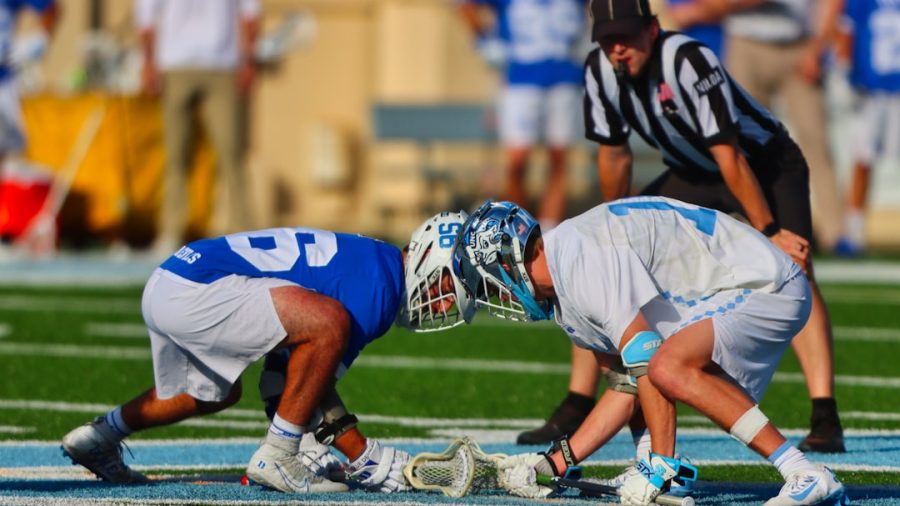
The Johns Hopkins lacrosse reputation is the sport’s version of an Ivy League halo—built on reverence for what happened decades ago, not what’s happening now. Hopkins has nine national championships. The last one came in 2007. That was almost twenty years ago, and the lacrosse world still talks about Hopkins like they’re a perennial contender. They’re not.
The Numbers Don’t Lie: The Reputation Doesn’t Hold Up
Let’s get specific. From 2015 through 2024, Hopkins made the NCAA Tournament seven times. Respectable on paper. But look closer: three first-round exits. A second-round exit. A run to the quarterfinals here and there. One Final Four appearance in 2021—in a shortened, weird COVID season that nobody is hanging a banner over with any real pride. They haven’t won a national title in this generation of lacrosse players’ lifetimes. Younger fans don’t have a memory of Hopkins hoisting a trophy. They have a memory of ESPN pundits invoking the dynasty like it’s still happening.
The 2023 season was a gut-check moment that went mostly uncommented on in the national press. The Blue Jays finished 9-6 and missed the tournament entirely. Nine and six. That result dented the Johns Hopkins lacrosse reputation more than anyone in the press admitted. This is a program that ESPN reflexively slots into “elite” conversations during the preseason, and they were home in May. No one made it a bigger story than it was, because the Hopkins halo is that durable.
The 2024 season showed some life—they got back into the field and made a run. Credit where it’s due. But one decent postseason run doesn’t erase the larger trend, and it definitely doesn’t justify the Johns Hopkins lacrosse reputation-to-results gap that’s been widening since the Obama administration.
Who Is Actually Running Johns Hopkins Lacrosse Out of the Conversation
While Hopkins coasts on legacy, the programs actually competing for championships in the modern era are Maryland, Virginia, Cornell, Notre Dame, and lately, Duke and Yale. Maryland has been a genuine powerhouse. Virginia won it all in 2019 and 2021. Notre Dame made back-to-back finals. These are the programs putting players in the PLL, winning in May, and building recruiting classes with genuine national pull.
Johns Hopkins lacrosse still recruits well—the brand name alone does some of the work—but the program isn’t consistently landing the top-five recruiting classes that turn into championship rosters. And in a sport where recruiting has become as cutthroat as any Power Five football program, coasting on name recognition stops working eventually. The players and families doing the research know the difference between a historic program and a program that’s winning right now.
The Media’s Role in Keeping the Myth Alive
Part of this is on the lacrosse press. The Johns Hopkins lacrosse reputation earns preseason top-ten love almost every year. Writers default to historical weight when they’re filling out polls in January, not because their returning roster demands it. It’s lazy, and it does a disservice to programs that have actually built something in the current era.
When Hopkins underperforms—and they’ve underperformed by their own historical standard consistently for going on two decades—the coverage is gentle. “Down year.” “Young roster.” “Program in transition.” When a Maryland or a Virginia has a rough season, the analysis is sharper. The standards applied aren’t equal, and Hopkins benefits from that asymmetry every time. The Johns Hopkins lacrosse reputation gets protected in ways no other program’s does.
What Johns Hopkins Lacrosse Needs to Do
None of this means Johns Hopkins lacrosse can’t get back there. The infrastructure exists. Its academic profile attracts serious student-athletes. Meanwhile, the coaching staff under Peter Milliman has shown it can develop players. But getting back to genuine national title contention requires the program—and the media covering it—to stop treating 2007 like it was last Tuesday.
Earn the Johns Hopkins lacrosse reputation again. Stop borrowing from the past. The Blue Jays are a good program right now. “Good” and “elite” are not the same thing, and the lacrosse world should stop pretending otherwise until Hopkins proves it on the field in May, when it actually counts.
The legacy is real. The present doesn’t match it. That’s the story nobody in the mainstream lacrosse press wants to say out loud. Now somebody has.