The Verdict Up Front
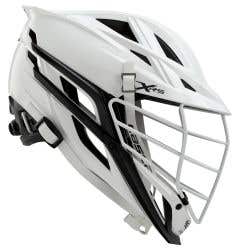
The Cascade Magnetic is the most sensible piece of youth lacrosse equipment to come out in years — a head designed around the actual problem of teaching young players to develop a real pocket instead of just launching balls into the woods. It’s not perfect, but it gets more right than wrong.
Who This Is For
Youth and middle school players in the U6 through U13 range, specifically kids who are in the early stages of learning to catch and cradle. Coaches running programs with large numbers of beginners will find this useful as a teaching tool. Budget sits in the $40–$60 range depending on retailer — reasonable for what you’re getting. This is not a head for a serious high school player or anyone looking for a performance edge in a competitive setting. The Magnetic is a development tool, full stop.
What Works
The snap-in pocket system is the headline feature and it actually delivers. The pre-formed pocket inserts click into the head with a satisfying firmness — no stringing required, no parent up at midnight watching YouTube tutorials on traditional stringing. The pockets come in different depth profiles so coaches can progress kids through stages: start shallow and wide for beginners who need a forgiving catch window, then move to a tighter, deeper pocket as the player develops. It’s a logical progression built directly into the product.
Durability holds up well under the abuse youth gear takes. The polymer used in the head itself is thick without being ungainly, and the snap-in mechanism doesn’t loosen noticeably after repeated use and washing. If a pocket insert gets destroyed — and kids will find a way — replacements are available and inexpensive. That’s a better outcome than a head that needs a full restring after one season.
The legal status is clean for most youth and modified youth rule sets. NCAA and NFHS legal it is not — and it’s not marketed that way. For the leagues and age groups this head is actually designed for, it passes without issue. Coaches don’t need to worry about a ref pulling a kid off the field at a U11 tournament because of equipment.
What Doesn’t
The transition out of this head is abrupt. Players who spend a full season or two developing muscle memory around the Magnetic’s forgiving catch geometry are going to have an adjustment period when they move to a traditional strung head. The snap-in system solves the short-term problem of getting beginners to catch a ball, but it doesn’t fully simulate the feel of mesh under hand pressure or the way a real pocket channels a catch. That’s a tradeoff worth acknowledging.
The head itself is also on the heavier side for its size. Not dramatically so, but younger players with smaller hands and less developed wrist strength will notice it during a long practice. Lighter options exist in traditional youth heads, though they come with the stringing problem the Magnetic solves.
Selection of pocket inserts at local shops is hit or miss. Online availability is fine, but if you’re a program director who needs to outfit twenty kids by Saturday morning and two pockets go missing, you’re not finding replacements at a sporting goods store. Plan ahead or buy extras at the start of the season.
Price vs. Value
At $40–$60 for the head, the value proposition is solid if you’re buying this for the right player. Factor in that you’re eliminating stringing costs, reducing coach frustration, and giving yourself a structured teaching progression tool — for a youth program, that’s real money saved across a season. For a single parent buying one head for one kid, it’s competitive with comparable youth heads and offers more utility during the development phase. Just know it has a shelf life tied to the player’s skill development, not to the equipment itself. Budget for the upgrade when the time comes.
Bottom Line
The Cascade Magnetic is a genuinely thoughtful piece of youth equipment that solves a real problem — not with gimmicks, but with a system that has actual developmental logic behind it. Buy it for a beginner player in the U8–U13 range, run them through the pocket progression, and watch the catching fundamentals develop faster than they would with a misstrung traditional head handed down from an older sibling. When they’re ready to move up, move them up. This head did its job.