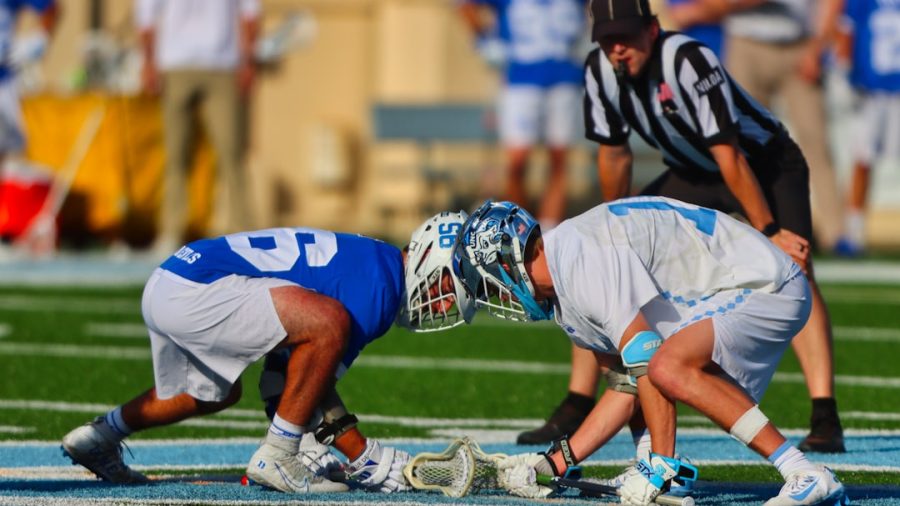
Yes, you can use football cleats for lacrosse. That’s the answer. But “you can” and “you should” are two different things. The difference matters depending on your level and how serious you are about the game.
Let’s cut through the noise on this one.
The Legality Question
First, the rules. NCAA, NFHS (high school), and US Lacrosse rules all permit football cleats for lacrosse. There is no official ban. You will not get ejected for lacing up your Vapor Edges before a face-off. Metal cleats, however, are a different story — those are banned at virtually every level of organized lacrosse. Football cleats are rubber or molded plastic. You’re fine.
Youth leagues and recreational programs almost universally follow the same standard. If someone tells you football cleats are illegal in lacrosse, they’re wrong. Move on.
What Football Cleats Actually Do Well in Lacrosse
Football cleats are built for lateral cuts, hard stops, and explosive first steps — all things lacrosse demands constantly. A good pair of football skill position cleats — think receiver or defensive back cleats — is light, low-cut, and built for exactly the movement a lacrosse midfielder or attackman makes every play.
The cleat pattern on football shoes is aggressive. They grip well on natural grass, especially when the field is wet or chewed up. If you’re playing on a torn-up high school field in October, football cleats might actually outperform a mid-tier dedicated lacrosse cleat.
Price is also a real factor. A quality pair of football cleats from Nike or Under Armour runs $60–$120. Dedicated lacrosse cleats in the same quality tier often cost $80–$150. If you already own football cleats in good condition, buying lacrosse-specific shoes just for the label is a waste of money.
Where Football Cleats for Lacrosse Fall Short
Here’s where it gets honest. Football cleats — especially lineman cleats — are heavier and higher-cut than what most lacrosse players need. A defensive lineman cleat built for trench ankle support is not what you want running transition or chasing a clear up the sideline. Weight and ankle mobility matter in lacrosse. A bulky high-top football cleat will slow you down over 60 minutes.
Dedicated lacrosse cleats are also engineered with turf play in mind. Artificial turf is increasingly common at the college and elite high school level. The cleat patterns on lacrosse-specific shoes are optimized for that surface. Football cleats can be grabby on turf. Too much grip creates torque on your knees and ankles when your foot plants and your body needs to rotate.
Goalies have a specific concern: football cleats don’t offer the lateral toe protection and wider base that goalie-specific lacrosse cleats provide. If you’re a goalie using football cleats, you’re leaving protection and stability on the table.
Who Should Use Football Cleats for Lacrosse
Recreational players and casual youth players: Use what you have. Buying a second pair of cleats when you play two nights a week is unnecessary.
Budget-conscious high schoolers: If football cleats are what fits your budget, get a low-cut skill position cleat and play. Don’t let gear snobs tell you it’s holding you back.
Multi-sport athletes: If you play both football and lacrosse and you own quality skill position cleats, wearing them for lacrosse is completely reasonable. The crossover is real.
Who Should Get Lacrosse-Specific Cleats
Serious high school players competing for starting spots and college attention: Gear matters at the margin when everything else is equal. Get the right tool.
College players: At this level, everyone has lacrosse cleats. The turf demands, speed of play, and turf-specific cleat patterns make dedicated cleats worth it.
Goalies at any competitive level: Get goalie-specific cleats. The protection and base difference is real.
The Bottom Line
Football cleats work for lacrosse. They’re legal, they’re functional, and for the right player at the right level, they’re a smart choice. They are not, however, the optimal choice for serious competitive play on artificial turf, or for goalies who need specialized protection.
Low-cut football skill position cleats from a reputable brand — $60–$120 — are a legitimate budget-friendly option for recreational through mid-level high school lacrosse. Once you’re competing at a high level or playing primarily on turf, invest in dedicated lacrosse cleats. Until then, lace up what you’ve got and go play.