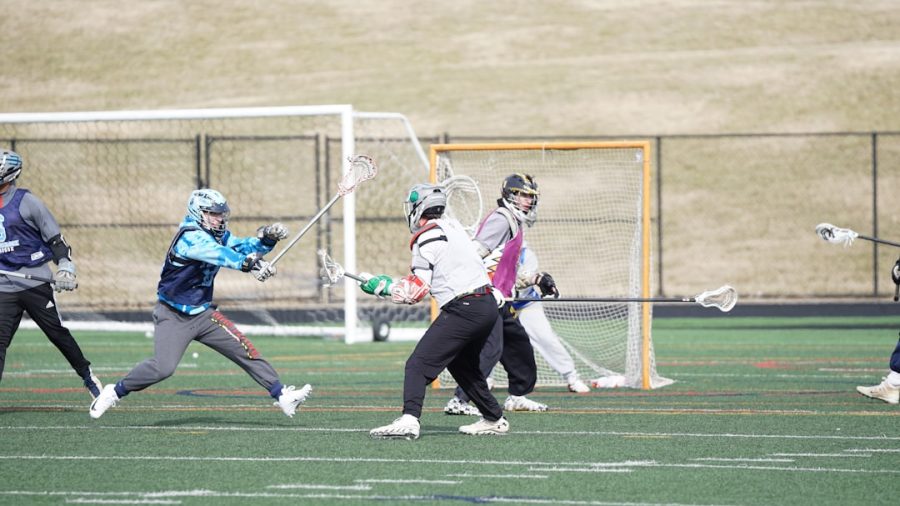
The argument about who the best women’s lacrosse coach alive is ended about seven national titles ago — and the Kelly Amonte Hiller Northwestern legacy is the reason why. Kelly Amonte Hiller has not just won more than anyone else — she has built something at Northwestern that no one in the history of the sport has built. After Saturday’s championship win over North Carolina, the conversation should be less about the latest title and more about what it represents: a program that has operated at the highest level of its sport for longer than most coaches last at their jobs.
What the Numbers Don’t Capture
The title count is real and it’s remarkable. Still, what numbers can’t tell you is the quality of the competition against which those titles were won. Women’s D1 lacrosse in 2026 is not the women’s D1 lacrosse of 2005. The athletic caliber of the players, the tactical sophistication of the competing programs, and the national reach of the sport have all transformed. Amonte Hiller has won at the top of each version of the game as it has evolved, which is the most difficult thing in coaching to do.
The coaches who win once won at the right moment in the right conditions with the right players. The coaches who win across eras — who adapt their systems, retain their cultures, and keep recruiting at the elite level while the competitive landscape changes around them — are the ones who define what a great coach looks like. There is one coach in women’s lacrosse who belongs in that conversation with a claim that brooks no counter-argument.
The Development Record
Northwestern’s player development has been the least-appreciated dimension of the program’s sustained success. The best recruiting classes in the country are common at the top programs — development into elite D1 players on a consistent timeline is not. Former Northwestern players arrive in the professional game more prepared than their peers, with a cleaner understanding of their role, their reads, and how to perform when the stakes are real. Coaches build that preparation; talent alone does not supply it.
The players who develop most at Northwestern are not always the ones who arrived with the highest recruiting rankings. The program’s ability to identify and develop players who fit the system — who get better in it, who internalize what the system demands of them, who raise the level of everyone around them — is a coaching and program-culture achievement that transcends any individual title.
The Recruiting Flywheel
Northwestern recruits well because Northwestern wins. Northwestern wins because it recruits well. The obvious point is that it’s self-reinforcing once it’s established. The less obvious point is that Amonte Hiller had to sell the vision before it was self-reinforcing — had to convince elite high school players to bet on a program’s future before the championships existed to sell themselves. That early credibility — built through player relationships, demonstrated development, and a competitive system — was the foundation on which everything else was built.
The hardest part of building a program like Northwestern’s isn’t maintaining it. It’s starting it. Most coaches never figure out how to start it. She did, and then she maintained it through multiple roster turnovers, multiple shifts in the competitive landscape, and multiple moments where lesser programs would have leveled off.
The Kelly Amonte Hiller Northwestern Legacy Argument
“Best active coach” is not a big enough frame for Kelly Amonte Hiller. The conversation is about the best coach the sport has produced — men’s or women’s. The longevity, the development record, the championship count against an improving field, and the program culture she’s built are the criteria. Applied seriously, those criteria produce one name when you’re talking about women’s lacrosse.
Saturday’s championship is the latest entry on a resume that is already complete. What makes it matter is that she keeps adding to it — keeps finding the answers that keep Northwestern at the level that every other program measures itself against. That is what sustained excellence looks like in coaching, and there is no better example of it in this sport.