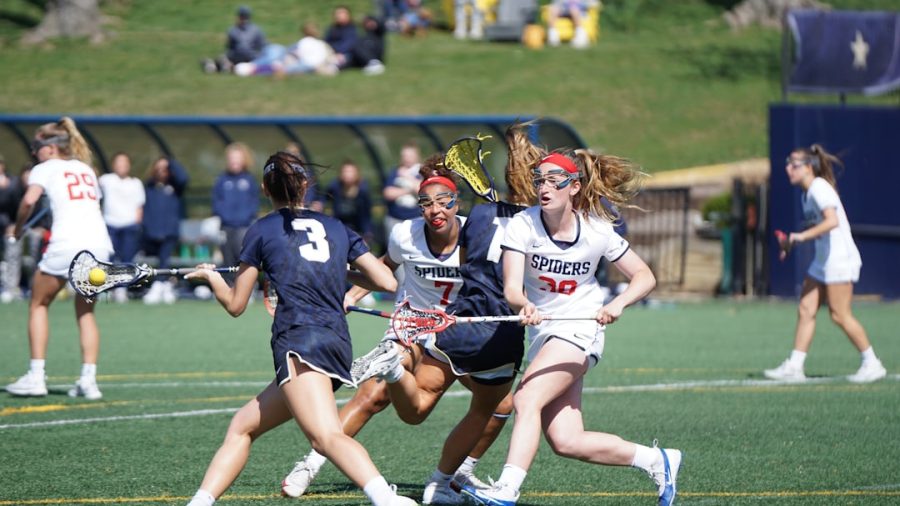
The Northwestern 2026 D1 womens championship recap starts with a familiar scoreline: Northwestern 14, North Carolina 11. Different year, same result, same reaction from the lacrosse world: stunned, impressed, reluctantly awed. At what point do we retire the surprise and start treating this like what it is? The Wildcats have been doing this so long that winning a national championship has become a referendum on whether anyone else is capable of stopping them — and so far, the answer is no.
North Carolina came into this final playing the best lacrosse of their season. The Tar Heels had momentum, talent, and legitimate belief they could end Northwestern’s run. They came within three goals and never really felt that close. That’s what a program that has fully solved something looks like from the outside: you bring everything you have, you play your best lacrosse, and you still lose by a margin that feels wider than the scoreboard says.
The Defense That Doesn’t Break: Northwestern 2026 Championship Recap
Eleven goals allowed in a national final is not a shutout, and Northwestern’s defense wasn’t perfect on Sunday. But the number that matters isn’t the goals allowed — it’s that the Wildcats never let North Carolina get within a single possession in the fourth quarter. That’s the whole game right there. The Tar Heels needed a moment, a run, something to grab onto and ride. Northwestern wouldn’t give it to them.
Absorbing an opponent’s best runs without panicking is a skill that doesn’t show up in any box score. It’s also the skill that separates programs that win championships from programs that merely play in them. North Carolina pushed. Northwestern absorbed, answered, and extended. Every single time it mattered.
The midfield has been the quiet engine of this team all year. While the attack gets the feature stories, it’s been Northwestern’s ability to control possession in the middle of the field that dictates tempo and keeps opponents from playing the game they want to play. Against North Carolina — a team that thrives on pushing pace and creating transition opportunities — that possession control was decisive. You can’t score in transition if you never get the ball.
Kelly Amonte Hiller Is the Best Women’s Lacrosse Coach Alive
This isn’t a hot take. This is a statement of fact that should be uncontroversial at this point. The argument about whether Amonte Hiller belongs in the conversation ended several national titles ago. We’re operating at a level of sustained excellence that belongs in a completely different conversation — not “best active coach” but “best this sport has ever seen.”
What she has built in Evanston isn’t a hot streak or a talent aberration. It’s a self-reinforcing system: her program develops players at a rate that makes top recruiting classes fight to get there, which creates more talent, which creates more wins, which attracts more talent. Every elite program in the country is trying to build that cycle. Almost none of them have. Northwestern has had it for decades.
The fact that this program keeps winning while other programs keep getting the “they’re about to break through” profiles is one of the more remarkable ongoing stories in all of college sports. Not just women’s lacrosse. College sports.
What Comes Next
North Carolina will be back. The Tar Heels have too much infrastructure and too much talent coming through the pipeline to stay out of a final for long. Meanwhile, Maryland, Syracuse, and Boston College all have their arguments for next year. The field is legitimately good.
But the path to a national championship still runs through Evanston, and it has for longer than most people want to acknowledge. Maybe instead of manufacturing surprise every May when the same team is cutting down the net, the rest of the division should spend the offseason being honest about what they need to do differently.
Northwestern isn’t going to change. They’re going to keep winning. The only real question is who finally figures out how to stop them.