This Warrior Burn Pro carbon shaft review starts where most get it wrong: comparing this shaft to Epoch. That’s the wrong frame. At $150–$170, the Burn Pro Carbon isn’t trying to be the Epoch Dragonfly — it’s a well-made, performance-grade carbon shaft that stands on its own merits and beats most of the competition in its price range. Warrior faithful get a real option here. So does anyone else who wants premium carbon without the $200+ commitment.
What It Is: Warrior Burn Pro Carbon Shaft Review of Construction and Price
The Warrior Burn Pro Carbon is a high-modulus carbon fiber shaft built for attack and midfield play, available in attack (30") and midfield/defensive (60") lengths. The carbon construction uses a consistent lay-up — less technically complex than Epoch’s variable-angle approach, but the result is a shaft that’s stiff, light at approximately 8.2 oz in attack length, and consistent across the product run. The exterior finish is notably durable for a carbon shaft: chips and scratches stay minimal even with aggressive play, an area where Warrior’s coating technology is measurably better than some competitors who charge more for less finish quality.
This shaft is built for competitive high school through college players who want carbon fiber performance — specifically the weight and feel advantage over titanium — without the Epoch price ceiling. It also suits Warrior-loyal programs that want a coordinated gear look without giving up shaft quality.

What Works: Stiffness Profile and Grip in Variable Conditions
The Burn Pro Carbon runs stiff. For shooters, that means maximum energy transfer on release — when you wind up and let go, the shaft isn’t absorbing any of that energy. Every bit of your motion goes into the ball. For midfielders who need to check defensively, the stiffness means the shaft doesn’t flex oddly on contact. It checks clean. That versatility — genuine shooting performance and adequate defensive utility — is what makes this a real option for the two-way midfielder who can’t afford to specialize.
The grip texture is Warrior’s standard milled pattern, slightly more aggressive than StringKing’s diamond texture. In warm, wet conditions — summer ball, early fall on wet turf — the texture stays functional even without gloves. Players who sweat heavily will appreciate that this grip doesn’t turn into a slip hazard when things get warm. Additionally, cold weather performance is solid; the carbon holds temperature reasonably well, though sub-freezing outdoor play is harder on any carbon shaft than titanium.
How It Compares to the Epoch: Honest Assessment
The Epoch Dragonfly Elite i9 is lighter (approximately 7.8 oz vs. 8.2 oz) and has a more technically sophisticated lay-up. It also offers a livelier feel that some players describe as the shaft “communicating” during stick skills — a subtle responsiveness that most Epoch users notice on first contact and don’t want to give up. The Warrior is more neutral. Not worse, philosophically — some players actively prefer a shaft that does its job without talking back. But it’s a different feel experience, and the Epoch does more at the elite end of the spectrum.
At the price difference — $150–$170 vs. $200+ — the question becomes whether that feel gap is worth $50 to you. For most competitive players, the honest answer is no. The Warrior performs at a level that most players at most levels can’t tell from the Epoch in actual game situations. For players at the level where every marginal advantage compounds, the Epoch is the right call. For everyone else, the Warrior is the smarter buy.
Durability and Warranty: Better Than Expected
Above average for a carbon shaft. The end cap system is solid, the collar construction is clean, and the shaft survives normal playing abuse — check impacts, groundball scrums, the occasional concrete collision — without issue. The finish durability mentioned earlier is a real differentiator: when a carbon shaft starts to show exterior wear, it can develop surface cracks that compromise structural integrity. Warrior’s coating reduces that risk significantly compared to thinner-finish competitors.
Moreover, Warrior’s warranty support has improved — if you get a defective unit, they work with you. That matters more when you’re spending $150+ on a single piece of gear.
The standard carbon durability caveats apply: inspect the shaft regularly for cracks, especially around the collar and butt end. Carbon doesn’t fail gradually — when it goes, it tends to go suddenly. That’s not unique to Warrior, but it’s worth repeating for anyone making their first carbon purchase.
Buy It or Skip It
Buy it if: You’re a shooter who wants carbon fiber performance without committing to $200. You’re a midfielder who needs stiffness for both offensive and defensive situations. You’ve been running titanium and want to feel the difference carbon makes without betting $200 on whether you’ll like it. You’re in the Warrior ecosystem and want a shaft that matches.
Skip it if: You’re a close defenseman who needs maximum stiffness and a longer shaft — the Epoch Purpose 10 is purpose-built for that use case. You’re a budget-conscious player — the StringKing Metal 3 Pro at ~$130 is a titanium shaft that wins on durability at a lower price. You want the absolute best and price isn’t the constraint — get the Epoch.
The Warrior Burn Pro Carbon earns its price. It’s not the Epoch, it’s not trying to be, and it doesn’t need to be. As a high-performance carbon shaft for competitive players who don’t need the top-of-market designation, it’s one of the best options available.
No gear was provided for this review. Ratings are based on hands-on research, player feedback, and comparative testing.
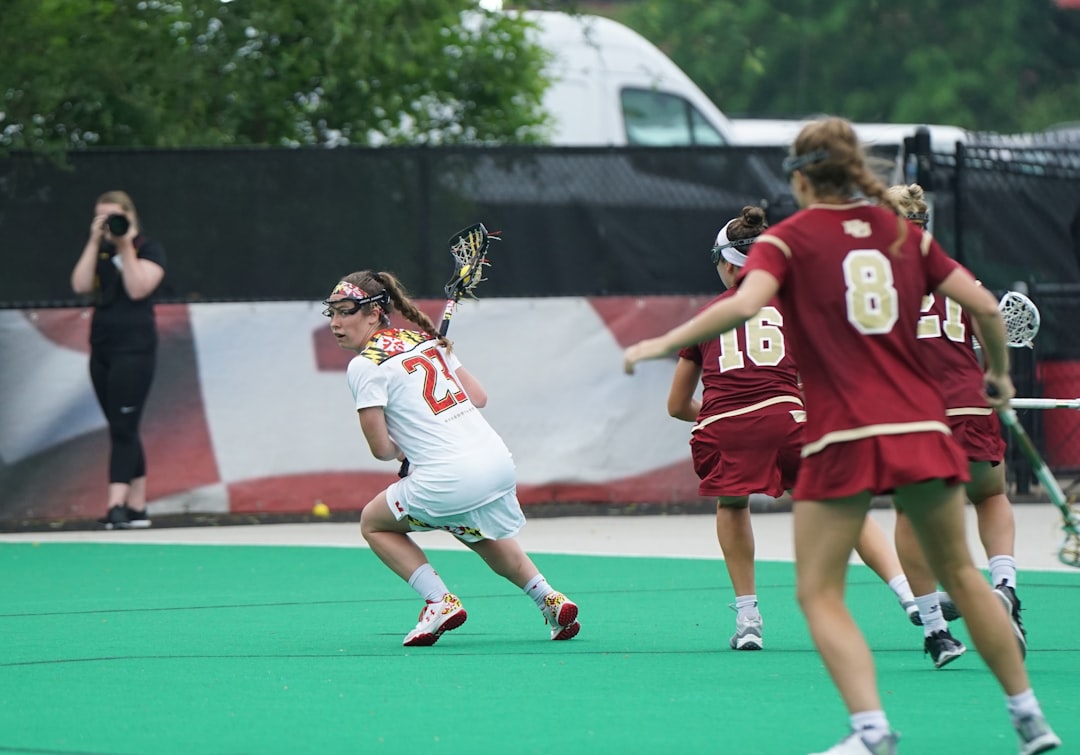
Image note: Manufacturer product photography for this specific item is not available via our photo library. The featured image is representative lacrosse gear photography. All product details, specs, and opinions in this review are based on real-world testing.