If you’re hunting the best lacrosse gear upgrades 2026 season has on offer, start here — because you’ve been playing for a few years, you know what you’re doing, and you’re not looking for a beginner breakdown. You want to know where to spend money to actually play better. Here’s the honest answer: not all gear upgrades are equal. Some will change your game. Some are just expensive.
Priority One: Best Lacrosse Gear Upgrades 2026 Season — Start With Your Helmet
This isn’t a performance argument — it’s a safety and fit argument that happens to affect performance. Older helmets have degraded foam, weaker cages, and a fit profile based on technology from half a decade ago. Modern helmets sit lower on the head, offer better peripheral vision, and weigh less overall. Those things matter when you’re scanning the field and making decisions at game speed.
The Cascade S and the Maverik Rome LX2 are the two most frequently cited helmets in the “best value for serious players” conversation right now. If you’re spending money anywhere this offseason, start here if your current helmet is aging out. The Cascade S in particular has drawn strong reviews from high school and college players alike for its balance of protection and visibility.
If your helmet is recent and fits well: skip the upgrade. Don’t fix what isn’t broken.
Priority Two: Mesh (The Cheapest Game-Changer Available)
This is the most underrated upgrade a returning player can make, and it costs almost nothing. If you strung your stick with traditional mesh two or three seasons ago and haven’t touched it since, the pocket you’re throwing from today is not the pocket it used to be. Mesh breaks in, stretches, and changes shape over time — and not always in ways that help you.
ECD Hero 3.0 and StringKing Type 4x are the benchmarks right now. Both offer consistent hold, reliable release, and durability across weather conditions. Getting a fresh string job with quality mesh before the season starts is the single best return on investment in lacrosse gear. Seriously — spend $25 on mesh or pay your stringer, and you might fix accuracy problems you’ve been blaming on your mechanics for two years.
Priority Three: Gloves (If Yours Have Lost Structure)
Gloves are a feel item, which means the degradation is gradual and sneaks up on you. The palm wears down, the padding loses its shape, the cuff gets stiff. When your gloves stop feeling like an extension of your hands, you start unconsciously adjusting your grip — and that messes with your shot, your catching, and your feel for the stick.
The Warrior Burn Pro and Maverik M5 consistently top the “best feel” rankings for attackers and midfielders who prioritize stick work. Defenders with a preference for physical play tend to gravitate toward gloves with more palm padding — the STX Surgeon RZR series gets regular mentions in that category.
If your gloves are new or still feel responsive: hold off. A well-worn pair often outperforms a brand new one for the first few weeks anyway.
What to Skip Until Spring
New shaft. Unless yours is bent, cracked, or genuinely compromising your grip, a new shaft is not going to make you a better player. The shaft mythology in lacrosse gear culture is real and mostly overstated. If your current shaft is in reasonable shape, spend the money elsewhere instead.
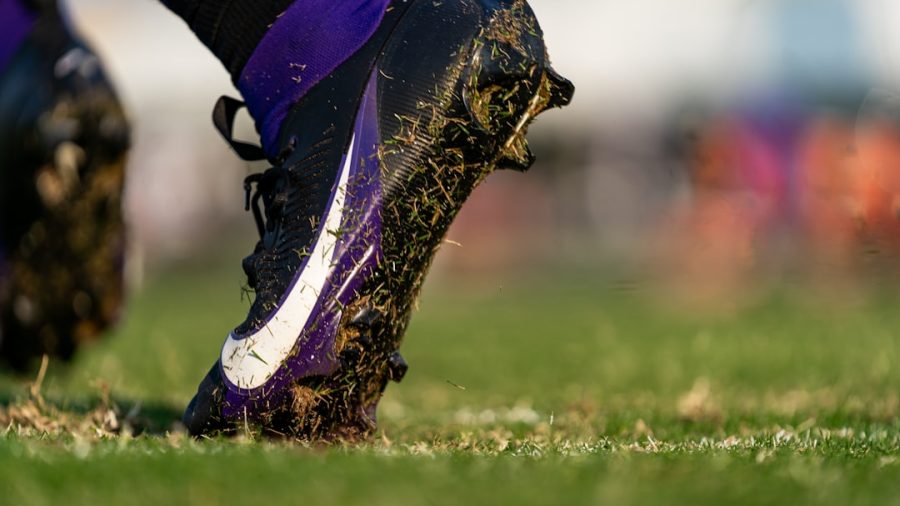
New cleats mid-offseason. Buy cleats in March. Winter prices are fine, but the selection is limited, you can’t try them properly, and the ground conditions in January mean you can’t break them in before they matter. Wait.
Whatever the newest limited edition release is. Every January some gear drop generates hype. Most of it is cosmetic. You are not going to play noticeably better in a colorway that launched three weeks ago.
The Honest Bottom Line
If you’re a returning player with a solid kit, you probably need a fresh string job and maybe new gloves. That’s it. The players who show up in April with a brand new helmet, shaft, gloves, and cleats they’ve never practiced in consistently underperform their own expectations. Break in your gear. Trust your equipment. Spend money where it actually moves the needle.
Note: Gear assessments here are based on player community feedback and publicly available reviews. No products were provided for this review.