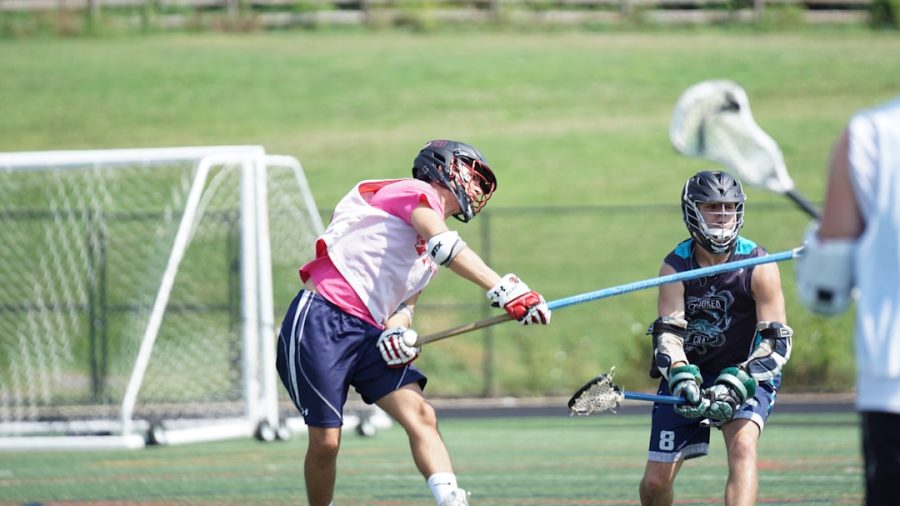
The Albany FireWolves are done in Albany. On August 19, 2025, the NLL made it official: the FireWolves are relocating to Oshawa, Ontario and will play the 2025-26 season as the Oshawa FireWolves. Albany lasted four seasons. The league is moving on. So should we.
Albany Was Never a Lacrosse Town — and Everyone Knew It
Let’s be honest about what happened in Albany. The FireWolves launched in 2021-22 as part of a wave of NLL expansion that looked great on a press release and played out exactly as the skeptics feared. Albany is a mid-sized state capital with no pro sports culture to speak of and a fanbase that never materialized the way ownership hoped. The team finished 7-11 in 2024-25, second-worst in the Eastern Conference, drawing crowds that were politely described as “developing.”
This is not a knock on Albany as a city. It’s a statement about market fit. Box lacrosse has deep roots in specific communities — Canadian cities, First Nations communities, and a handful of US markets where the game has generational traction. Albany had none of that. The NLL tried, it didn’t work, and four years is long enough to know.
Oshawa Is a Much Better Bet
Oshawa sits in the heart of Ontario lacrosse country. Located about 60 kilometers east of Toronto, it’s part of the Greater Toronto Area’s eastern sprawl and exists in a region where box lacrosse is a way of life, not a novelty. The Oshawa Generals have been a cornerstone of the OHL for decades. The city understands sports, understands the game, and won’t need a promotional campaign to explain to people what a face-off is.
The NLL already has proven Canadian franchises — Buffalo dominates the league, Saskatchewan is a dynasty, Halifax is a legitimate contender. Adding Oshawa to that mix isn’t a gamble. It’s a correction. The league is putting a team where the fans already exist rather than trying to manufacture them out of thin air.
The US Expansion Question Nobody Wants to Answer
The NLL has been chasing the American market for years, and the results have been mixed at best. San Diego is a viable market. Georgia has its moments. Philadelphia and Las Vegas both finished 2024-25 at 7-11 and 4-14 respectively. The bottom of the standings is disproportionately American, and Albany’s relocation is the most explicit acknowledgment yet that the league’s southward push has limits.
None of this means the NLL should abandon the US entirely. The PLL has proven there’s appetite for high-level lacrosse in American cities when you market it right. But field lacrosse and box lacrosse are different animals, and the NLL should stop pretending they play in the same pond. A franchise succeeds in Seagate Arena in Buffalo because the Bandits have a 30-year relationship with that city. You cannot replicate that in four seasons in a market that views your sport as a curiosity.
What Happens to Dyson Williams?
The most interesting storyline attached to this move is Dyson Williams. Albany’s 2024-25 Rookie of the Year follows the franchise to Oshawa, and the question is whether a change of scenery helps or hurts a young player who just showed genuine promise on a bad team. Williams won the NLL Rookie of the Year award despite playing on a squad that went 7-11. That tells you something about his ceiling.
Moving to Oshawa could be the best thing that happens to him. Playing in a Canadian market with genuine fan investment, in a building that’s actually loud, in a culture where box lacrosse matters — that environment accelerates development. The FireWolves finishing last in Albany while Williams won Rookie of the Year was almost a metaphor for the whole situation: real talent, wrong city.
The NLL Is Quietly Cleaning Up Its Expansion Mess
This is the second NLL franchise to find a more sustainable home after a troubled US expansion run, and it probably won’t be the last. The league over-extended in its push for American legitimacy, and now it’s doing the unglamorous work of rightsizing. That’s actually a mature move. Better to acknowledge a bad market fit than to prop up a dying franchise for another three years out of pride.
The Buffalo Bandits just won their seventh NLL championship, their second three-peat in league history. Saskatchewan is a perennial powerhouse. Halifax is building something real. The NLL’s foundation is Canadian, its best teams are Canadian, and its most passionate fanbases are Canadian. Oshawa fits that profile perfectly. Albany never did. The move makes sense. The only surprise is that it took this long.