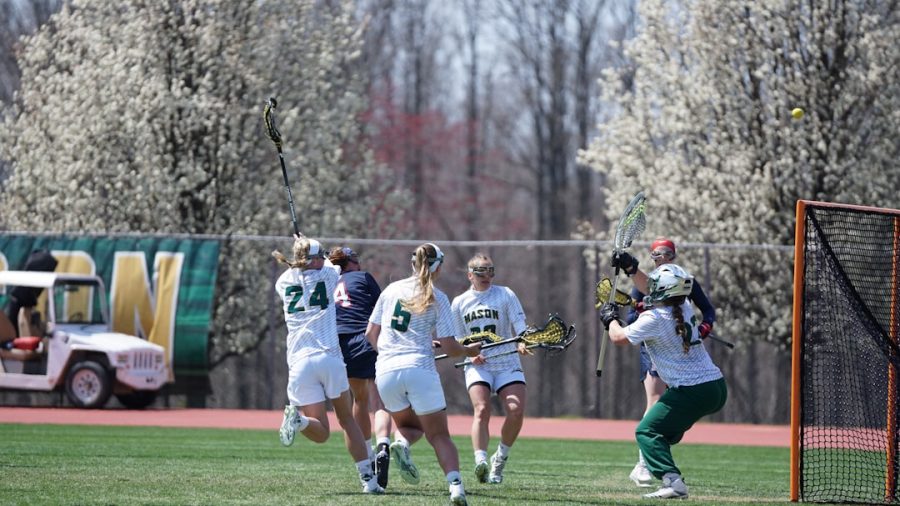
The WLL just wrapped its inaugural Championship Series, and Boston Guard are your first-ever champions after a 22-17 win over the New York Charging. Charlotte North hoisted the trophy. The crowd showed up. The games were actually good. So let’s talk about what Year One actually proved — and what it didn’t.
The Talent Was Never the Question
If you needed proof that women’s lacrosse could carry a professional product, the 2025 WLL Championship Series delivered it. Izzy Scane — the all-time NCAA scoring leader, period, men’s or women’s — was appointment television. Alex Aust Holman anchored Maryland Charm like she’d been playing professional lacrosse her entire life, which, to be fair, is basically what she’s been training for. Ally Mastroianni made California Palms a team you actually cared about despite being three thousand miles from Boston or New York. The rosters were legitimately stacked, and anyone who watched and came away unimpressed was choosing not to be impressed.
The Lacrosse Sixes format — six-on-six, faster, higher-scoring — is the right call for a startup league. It’s not a lesser version of the game. It’s a different version, and it plays to the athletes’ strengths in a way that full-field lacrosse at the professional level might not survive financially right now. The format created chaos in a good way. Big leads evaporated. The final, 22-17, wasn’t a blowout — it was a statement from a Boston team that had a target on its back all weekend.
Paul Rabil Gets Credit. Once.
The announcement came November 13, 2024 — Paul Rabil on ESPN Get Up, which is not a nothing platform. That matters. Getting the WLL introduced to a mainstream sports audience before it played a single game was smart, and credit where it’s due: the PLL didn’t bury this thing in a press release and hope lacrosse media picked it up. They went on television and told the sports world this was happening. The Springfield, Virginia venue for the Championship Series gave the league a real home for the weekend rather than a rented gym with folding chairs. These are not small things when you’re building a league from scratch.
But here’s the reality check: one weekend in Springfield is not a league. A Championship Series is a proof of concept. The WLL played what amounted to a televised tournament to test the model, and the model passed the test. Good. Now do it for a full season.
2026 Is When This Gets Real
The WLL expanding to a full season with playoffs in 2026 is the move the league had to make. There’s no sustainable business in a one-weekend format — you can’t build fan bases, you can’t build rivalries, you can’t build the kind of ongoing storylines that make people tune in on a Tuesday in April. The 2025 season proved the talent is there. The 2026 season will prove whether the infrastructure is there. That means media rights that actually get eyeballs, marketing budgets that reach beyond the existing lacrosse community, and ticket sales in markets where people haven’t already been primed to care.
Four teams is also a floor, not a ceiling. Boston, California, Maryland, New York — that’s a coastal league with nothing in the Midwest, nothing in the South, nothing in the growing lacrosse hotbeds in the mid-Atlantic beyond one Maryland club. Expansion isn’t just a vanity metric; it’s the difference between a league that feels real and a league that feels like a demonstration project. The WLL needs six to eight teams before anyone can seriously talk about it as a permanent fixture in the sports landscape.
The Olympics Are the Ace in the Hole
Here’s what changes everything: Lacrosse Sixes is on the 2028 Los Angeles Olympic program. Every WLL player is currently auditioning for an Olympic roster whether they’re thinking about it that way or not. That’s not a minor footnote — that’s the single biggest legitimizing factor women’s professional lacrosse has ever had. The pipeline from WLL to Olympic competition means this league isn’t just competing for space on the women’s sports entertainment calendar. It’s feeding into the biggest sports stage on the planet in three years.
Scane at the Olympics. North at the Olympics. Aust Holman in the gold medal round. That’s the pitch, and it writes itself. The WLL’s job between now and 2028 is to make sure the sports world knows those names before the Opening Ceremony.
The Honest Bottom Line
Year One of the WLL was a success by the only standard that mattered for Year One: it happened, the games were good, and nobody’s pretending it didn’t. That clears a low bar, and the league deserves credit for clearing it cleanly. But if Year Two looks exactly like Year One, that’s a problem. The WLL needs a full season, it needs more teams, and it needs media coverage that treats women’s pro lacrosse as a beat worth staffing — not a weekend curiosity worth a sidebar. The talent has been there for years. The league just has to build fast enough to catch up to it.